


What Is Qi Ancient Life Force Energy Explained
What is Qi? Unlocking Your Vital Energy
Ever feel completely drained even after a full night’s sleep? Or maybe you’ve heard martial artists talk about their inner power and wondered, what is qi? When I explain the qi meaning to newcomers, I strip away the mysticism. It is not magic; it is the measurable bio-electric and kinetic engine of your body.
Have you ever felt drained for no clear reason—or, on the flip side, calm, steady, and fully alive? That contrast is often how people first think about qi definition and qi meaning.
Qi is the vital life force in Chinese thought. It’s pronounced “chee” and spelled qi in pinyin. In simple terms, qi is more than just “energy”:
- It reflects life activity
- It connects body, breath, and mind
- It shows up in Taoist philosophy qi and Traditional Chinese Medicine TCM
- It shapes how we talk about qi energy cultivation
I see qi as a broad concept, not a single thing you can measure with a device. That’s why it’s often translated as vital life force instead of just energy.
The Literal Meaning of Qi
Qi is written as 气 (qì) in Chinese, and the basic idea behind it is simple: breath, air, vapor, or flow. That’s why, when I talk about the qi definition or qi meaning, I usually describe it as a vital life force rather than just “energy.”
The Philosophy Behind Qi
To grasp the true qi definition, we have to look at the traditional Chinese character: 氣. Literally, it translates to breath, air, or life force energy. Picture steam rising off a pot of hot rice—it represents both physical substance and formless energy working together.
In Taoist philosophy, this vital energy powers the entire universe through three distinct forces:
- Heaven Qi: The weather, cosmos, and planetary cycles.
- Earth Qi: Our natural environment and the ground we walk on.
- Human Qi: The internal energy that keeps us alive and moving.
At its core, this entire system relies on Yin and Yang harmony. Your internal energy is governed by a constant, shifting balance between Yin (passive, cooling, resting) and Yang (active, warming, driving) forces.
How Energy Functions in the Body
In Traditional Chinese Medicine (TCM), your body is not just bones and muscles; it operates as a highly conductive electrical network.
[Image of human meridian system TCM]
Your energy travels through a web of invisible pathways known as the meridian system. Just as your heart pumps blood through physical veins, proper meridian energy flow circulates vital power to your organs and tissues.
I always remind people that we operate on two main types of internal batteries:
- Yuan Qi (Original Energy): The deep, inherited energy reserves you receive at birth.
- Gu Qi (Acquired Energy): The daily, renewable fuel you extract from the food you eat and the air you breathe.
Qi Blockages and Health
Your daily well-being depends entirely on how smoothly this internal current moves. Qi blockages and health issues are directly linked.
- When Energy is Blocked or Depleted: You experience chronic fatigue, lingering illness, physical pain, and high stress. Your body’s battery is draining faster than it can charge.
- When Energy Flows Freely: You unlock robust physical health, sharp mental clarity, and natural vitality. Your internal engine runs perfectly, without friction.
What the character means
- 气 (qì) points to movement and life
- It can mean breath, vapor, or air
- In practice, it became a strong symbol for the body’s living force
Why “vital life force” fits best
In English, vital life force is the clearest translation because it matches how qi is used in Taoist philosophy qi and Traditional Chinese Medicine TCM. It’s not just a vague idea. It’s the force people believed supports health, balance, and function.
Historical roots
Old Chinese texts used qi to describe both the natural world and human life. That history is why qi energy cultivation still matters today in practices like Qigong breathing exercises and meridians and acupuncture.
Taoist Philosophy Qi and Cosmology
In Taoist philosophy qi is more than a vague idea of energy. I see it as the basic force that moves through everything in the universe. It’s the vital life force behind change, growth, weather, seasons, and the body.
Yin Yang Balance
Qi is always tied to yin yang balance. Yin and yang are not opposites fighting each other; they work together. When qi flows well, there’s more harmony, steadier health, and less stress.
Nature and the Five Elements
Qi also connects to the natural elements—wood, fire, earth, metal, and water. These patterns show how nature shifts and how life stays in motion. That’s why qi meaning in Taoism is really about movement, balance, and connection, not just “energy” in a simple sense.
Traditional Chinese Medicine TCM and Qi
In Traditional Chinese Medicine TCM, I think of qi energy as the force that keeps the body moving, warming, and защищing itself. Good qi helps support digestion, circulation, immunity, and recovery. When qi is weak or blocked, the body often feels off fast.
Wei qi protective energy is the part of qi that helps defend the body, while other forms support daily function and organ balance. In TCM, this fits into the Three Treasures Jing Qi Shen: Jing for essence, Qi for vital life force, and Shen for mind and spirit.
Common Qi Deficiency Symptoms
- Low energy or feeling drained
- Shortness of breath
- Weak digestion
- Easy sweating
- Poor focus
- Getting sick often
For me, this is where qi definition and qi meaning get practical: it is not just a theory, it is a way to explain how the body stays resilient.
Chinese Martial Arts Energy
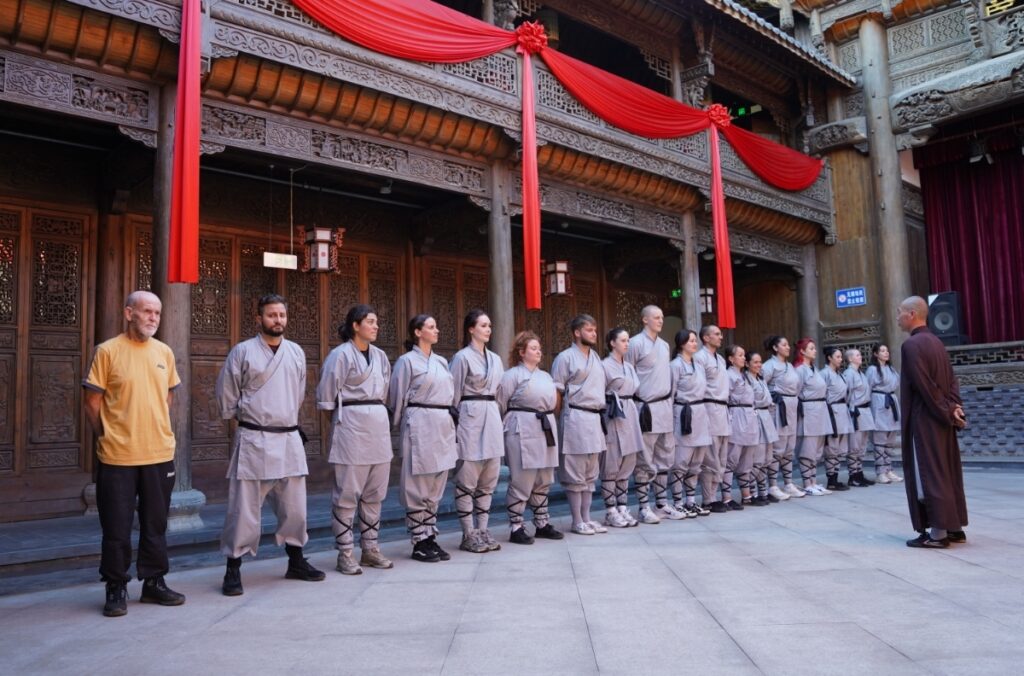
In Chinese martial arts energy, I look at qi energy cultivation as the link between breath, focus, and body control. In Shaolin internal power, the goal is not flashy force—it’s steady power, balance, and clean movement.
Qigong Breathing Exercises
Qigong breathing exercises are simple, but they matter. I use them to build calm, support stamina, and sharpen attention.
| Practice | What It Helps With |
|---|---|
| Deep breathing | Better focus and control |
| Slow movement | Stronger body awareness |
| Steady posture | More balance and less tension |
Main Benefits
- Supports mind and body coordination
- Helps reduce stress and mental noise
- Builds a stronger base for training
- Improves control, breath, and recovery
For me, this is where Chinese martial arts energy becomes useful in daily life, not just training. It’s practical, grounded, and built on consistency.
Meridians and Acupuncture
In Traditional Chinese Medicine TCM, I think of qi as moving through a network of meridians and acupuncture points, kind of like a body-wide pathway system. When that flow is smooth, people often feel balanced, steady, and more alert.
Qi Stagnation
When qi stagnation causes a blockage, it can show up as tight muscles, stress, fatigue, or a heavy feeling in the body. In plain terms, the qi meaning here is simple: if the flow is off, I usually expect the body to feel off too.
Acupuncture Today
Modern acupuncture still uses this old framework, but many people in the U.S. also see it as a practical way to support relaxation and recovery. For me, it’s one of the clearest ways qi energy cultivation connects an ancient system to real-life wellness.
Cultivate Qi Daily Life
I keep qi energy cultivation simple: start with qigong breathing exercises like slow belly breathing, 5 minutes at a time, and stay consistent. Support your vital life force with real food, enough sleep, and steady emotions—because stress, skipped meals, and burnout can throw off Yin yang balance fast.
Quick ways to cultivate qi daily life:
- Breathe slow and deep through the nose
- Eat warm, balanced meals
- Rest before you hit empty
- Walk, stretch, or practice light movement
- Check in on stress, mood, and sleep
If I notice ongoing qi deficiency symptoms or qi stagnation causes like tightness, fatigue, low drive, or poor recovery, I’d talk to a licensed Traditional Chinese Medicine TCM practitioner. For a simple movement routine that supports this approach, I also like the benefits of Tai Chi for everyday life.
Common Misconceptions About Qi
I see qi as a vital life force, but it is not the same thing as magic or a fixed medical fact. People often compare it to prana or ki, and that’s useful for context, but the meaning shifts across cultures and systems. In Traditional Chinese Medicine TCM, qi is part of a larger model that includes yin yang balance, meridians and acupuncture, and qi energy cultivation.
Prana, Ki, and Qi
- Prana: used in Indian traditions
- Ki: the Japanese term
- Qi: the Chinese term for life force, breath, and flow
Science vs. Mysticism
I keep the view simple: qi meaning depends on the system you’re talking about. Science does not measure qi the same way it measures blood pressure or heart rate, but that does not make the idea useless. For many people, qi explains how breathing, rest, emotion, and movement affect daily health in a practical way.
The Role of Qi in Martial Arts: Shaolin Kung Fu and Tai Chi
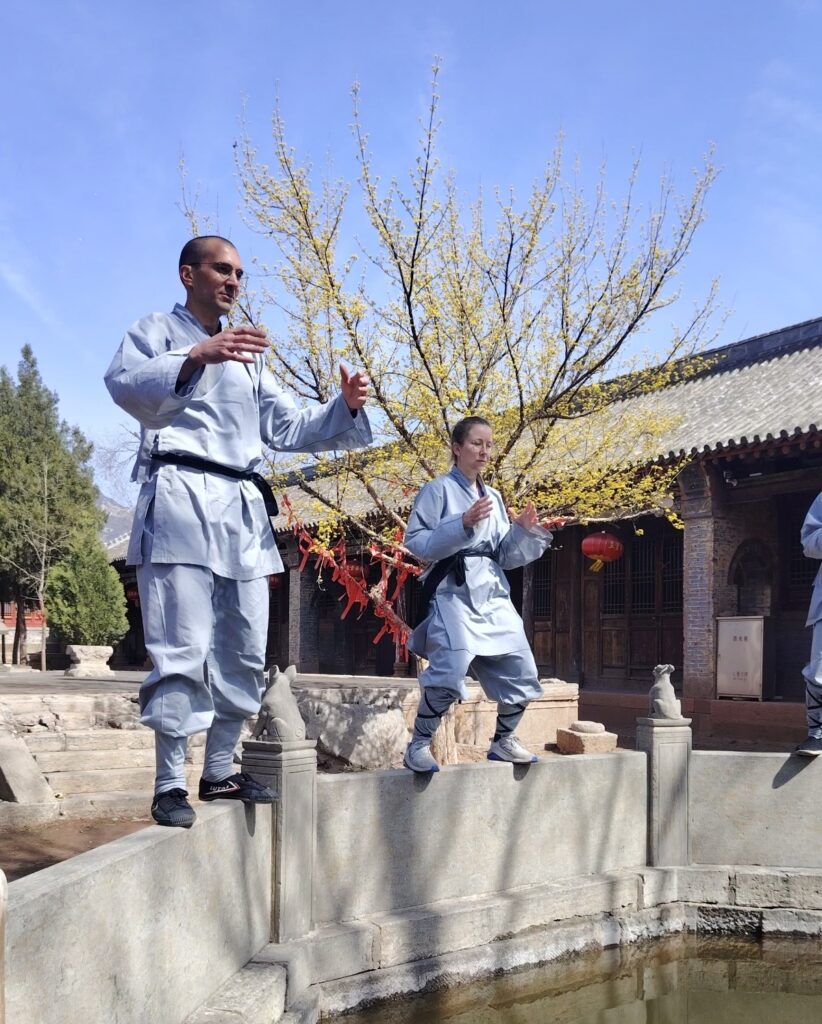
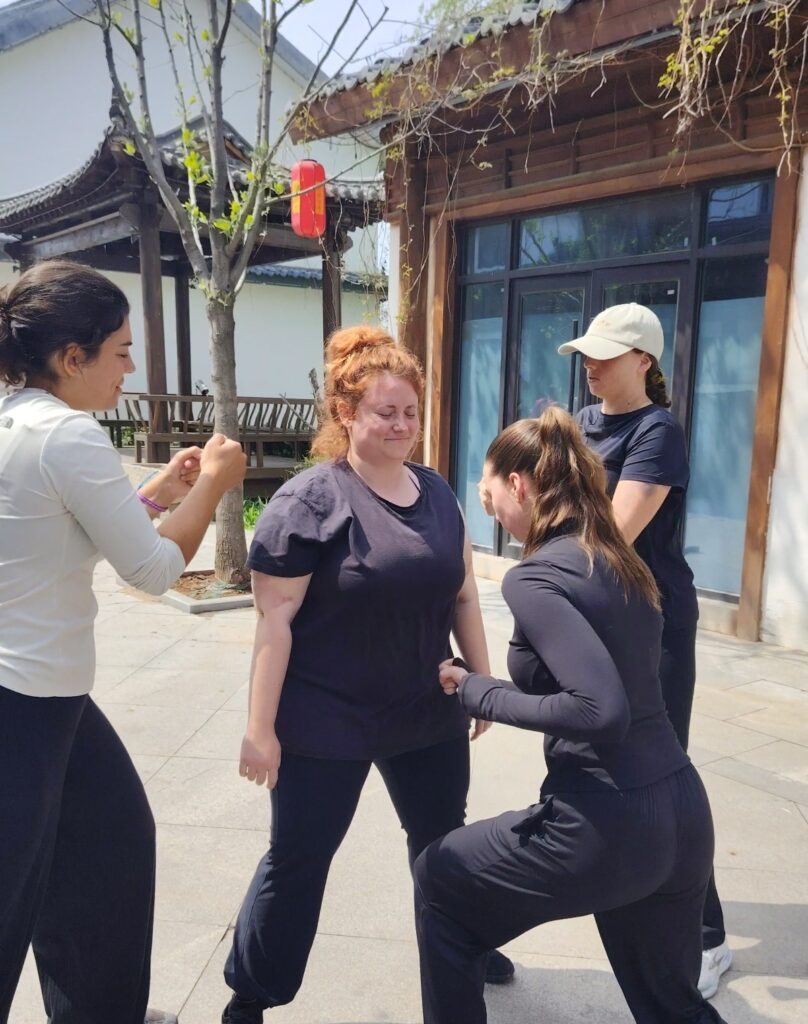
To truly understand what is qi, we have to look at how it moves from a medical theory into daily physical practice. In Traditional Chinese Medicine (TCM), an acupuncturist might use needles to adjust your meridian energy flow externally. But in the martial arts world, we take a different approach: we actively cultivate internal energy ourselves. It’s the physical bridge between knowing your vital energy meaning and actually making it work for you.
Soft Qi: Cultivating Balance Through Tai Chi
When we talk about soft martial arts, Tai Chi is the gold standard. Rooted deeply in Taoist philosophy, Tai Chi simulates the natural laws of the universe to create perfect Yin and Yang harmony within your own body.
Here is how the method works to build your life force energy:
- Slow, fluid motions: Continuous movement keeps the body relaxed and prevents Qi blockages and health issues.
- Deep, rhythmic breathing: Integrating Qigong breathing exercises guides the energy and blood smoothly through your system.
- Yielding power: You don’t use brute force. You rely on the concept of “softness overcoming hardness” to deflect and redirect resistance.
To really feel these Tai Chi benefits in your own body, stepping into authentic Tai Chi and Kung Fu practice is the most direct way to connect your mind and breath.
Hard Qi Gong: The Shaolin Approach to Internal Strength
If Tai Chi is a gentle, steady river, Shaolin Kung Fu training is a crashing wave. The Shaolin approach creates a stark contrast, trading pure softness for explosive, dynamic power.
Shaolin integrates Hard Qi Gong by combining quiet, internal energy work with rigid, lightning-fast external movements. It is the ultimate fusion of hard and soft martial arts. You aren’t just throwing a physical punch; you are driving your Qi directly into the strike.
This dual focus is a core part of our Shaolin Warrior training programs, where students learn to live by the ancient Shaolin maxim: “External training of the muscles and bones… internal training of a breath of realm.” You build a body of iron on the outside, powered by a steady, unbreakable flow of Qi on the inside.
4 Ways to Cultivate and Train Your Qi Today
When people ask me what is qi, I always tell them it is not just an idea—it is something you actively build and manage. If you want to cultivate internal energy, you have to put in the physical and mental work. Here are four practical methods we use to train this vital energy:
- Qigong Breathing Exercises: This is the direct practice of linking your breath with deliberate, slow movement. It aligns your internal systems and promotes a smooth meridian energy flow throughout your body.
- Authentic Ba Duan Jin: Also known as the Eight Pieces of Brocade, this is a very accessible, eight-step routine designed to clear qi blockages and improve overall health. It is highly effective and remains a core staple in the daily life and training of Shaolin monks today.
- Chan Meditation Practice: Physical movement alone isn’t enough. Sitting in stillness is required to truly focus the mind. A quiet mind acts as a steering wheel, directing the flow of your life force energy exactly where it needs to heal or strengthen.
- Martial Arts Immersion: The best results come from combining hard and soft martial arts. When you blend explosive Shaolin Kung Fu training with internal focus, you achieve ultimate mind-body unity. Finding this internal and external balance is exactly why practicing Tai Chi for your life yields such incredible, long-term vitality.
Frequently Asked Questions About What Qi Is
Is Qi real, or just a metaphor?
When figuring out what is qi, I find that a lot of people wonder if it’s literal magic. While traditional texts describe it as a mystical life force energy, modern science gives us a clearer, grounded qi definition. Practically speaking, it represents the body’s measurable bio-electric, neurological, and kinetic functions. When you align your posture and breathing, you aren’t doing magic—you are maximizing blood circulation, oxygen efficiency, and your nervous system’s physical responses.
What is the difference between chi and qi?
There is zero difference. They are the exact same word and carry the exact same vital energy meaning. The confusion simply comes down to how Chinese characters were translated into English over the decades. “Chi” comes from the older Wade-Giles romanization system, while “Qi” comes from the modern Pinyin system.
How long does it take to feel your Qi?
To actually cultivate internal energy, you need to set realistic expectations for your practice.
- Immediate Sensations: You might feel a slight tingling or heavy warmth in your hands after just a few basic Qigong breathing exercises.
- Deep Awareness: Truly feeling and directing your body’s mechanics takes months of consistent, mindful focus.
If you want to stop guessing and start actually feeling this connection, immersing yourself in a hands-on Shaolin Kung Fu experience in China is one of the most effective ways to bridge the gap between reading about theory and achieving real mind-body control.