


You’ve likely seen the movies where every shopkeeper and student in Beijing is a secret martial arts master.
But how common is Kung Fu in China in the 21st century?
Is it a daily habit for the masses, or just a cinematic myth?
Well, you’re in for a reality check because the answer is nuanced.
Most travelers will only ever see Tai Chi in Chinese parks practiced by the elderly for health.
But if you know where to look—specifically towards the Shaolin Temple and Songshan Mountain—you’ll find the tradition is more alive than ever.
In this post, I’m going to break down the real difference between Modern Wushu and Traditional Kung Fu, and show you exactly where the authentic spirit of martial arts still thrives today.
Let’s dive right in.
Daily Life Reality: What You Actually See on the Streets
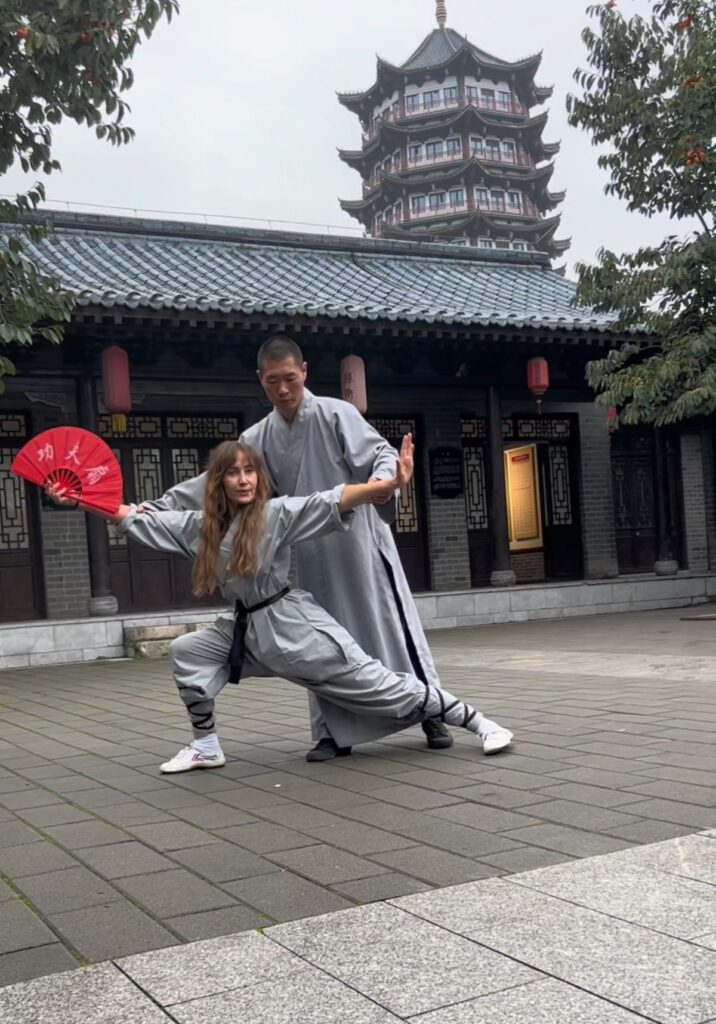
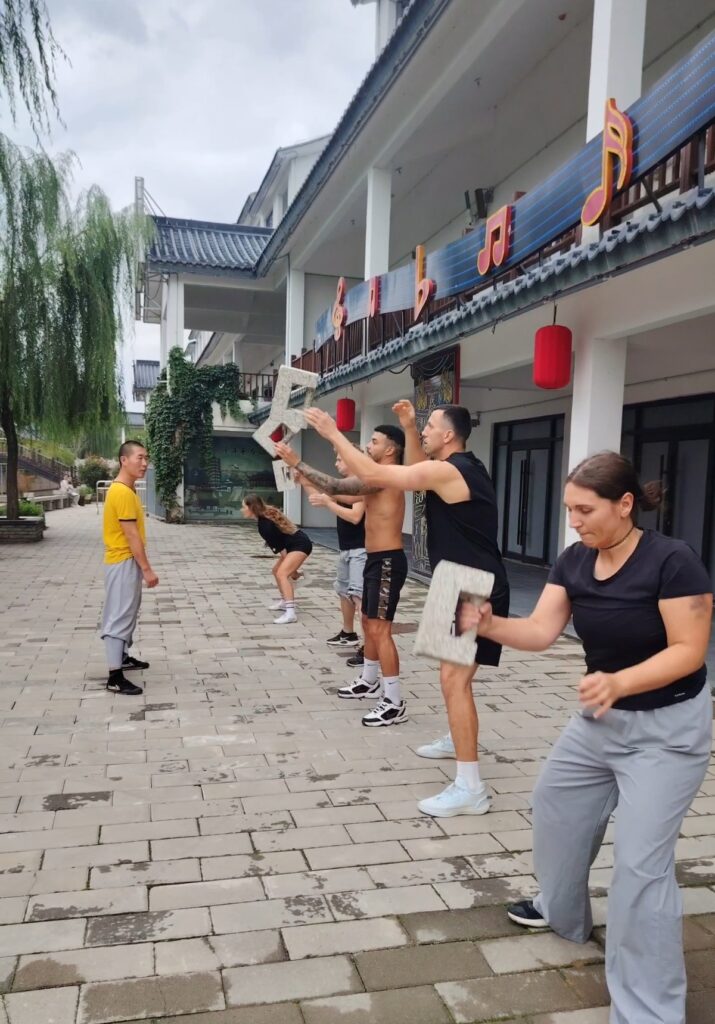
Visitors often arrive in China expecting a movie set where everyone is a master of combat. The reality is a blend of modern lifestyle and ancient tradition. While you won’t see people fighting on rooftops in major metropolises, the spirit of martial arts culture in China is deeply embedded in the daily rhythm of life, though it looks different depending on where you look.
Morning Rituals in Parks and Plazas vs. Combat Training
If you wake up early and visit a public park, you will witness a massive, collective routine. However, this is rarely the high-impact combat training we conduct at our academy.
- Tai Chi in Chinese Parks: The most common sight is elderly citizens practicing Tai Chi and Qi Gong. This focuses on Yi (Medicine/Healing), one of our Three Treasures, prioritizing breath control and slow movement for longevity.
- Social Exercise: Public plazas are often filled with synchronized movements that resemble dance more than fighting.
- Real Combat Training: Authentic, high-intensity Sanda (Chinese Kickboxing) and traditional conditioning are not typically done on public sidewalks. This rigorous training happens behind the walls of specialized centers like ours in the Songshan mountain range, where students dedicate 6–8 hours a day to the practice.
Wushu in Schools: PE Curriculum vs. Martial Mastery
Martial arts education varies drastically between a standard public school and a dedicated institution.
- Standard PE Curriculum: In many regular Chinese schools, Wushu is treated similarly to Western gymnastics or calisthenics. Students may learn basic forms (Taolu) for fitness and coordination, but it lacks the combat application and philosophical depth of traditional lineage.
- Martial Mastery: True mastery requires immersion. At the Songshan Shaolin Traditional Wushu Academy, training is not just a gym class; it is a lifestyle. Our students engage in a comprehensive curriculum that includes:
- Traditional Shaolin Kung Fu forms.
- Sanda for practical combat application.
- Chan (Philosophy) and Meditation to train the mind alongside the body.
We bridge the gap between the casual movements seen in city parks and the authentic, disciplined lineage of the Shaolin Warrior Monks.
The Hidden Heartlands: Where Tradition Thrives
Henan Province and Songshan Mountain: The Kung Fu Capital
While you might not see combat training on every street corner in Beijing or Shanghai, the narrative shifts entirely when you enter Henan Province. This region is the undisputed heartbeat of martial arts culture in China. Specifically, the area surrounding the Songshan mountain range is known globally as the “Cradle of Kung Fu.” Here, the legacy of Shaolin Temple history isn’t just a museum exhibit; it is a living, breathing ecosystem.
In this specific pocket of China, martial arts are incredibly common. It is the epicenter where lineage holders and serious practitioners gather. If you are wondering where to find authentic Kung Fu training in China, this is the destination where the roots go deepest. The local culture is saturated with the practice, making it the primary hub for anyone seeking the real deal.
Life Inside Specialized Martial Arts Boarding Schools
The prevalence of Kung Fu here is sustained by specialized Kung Fu schools in Henan Province like ours. Unlike a typical twice-a-week dojo visit in the US, these are full-time boarding institutions. Students here don’t just practice for an hour; they live the art.
At the Songshan Shaolin Traditional Wushu Academy, the routine reflects the dedication required for true mastery:
- Rigorous Schedule: Training runs 6–8 hours per day, six days a week.
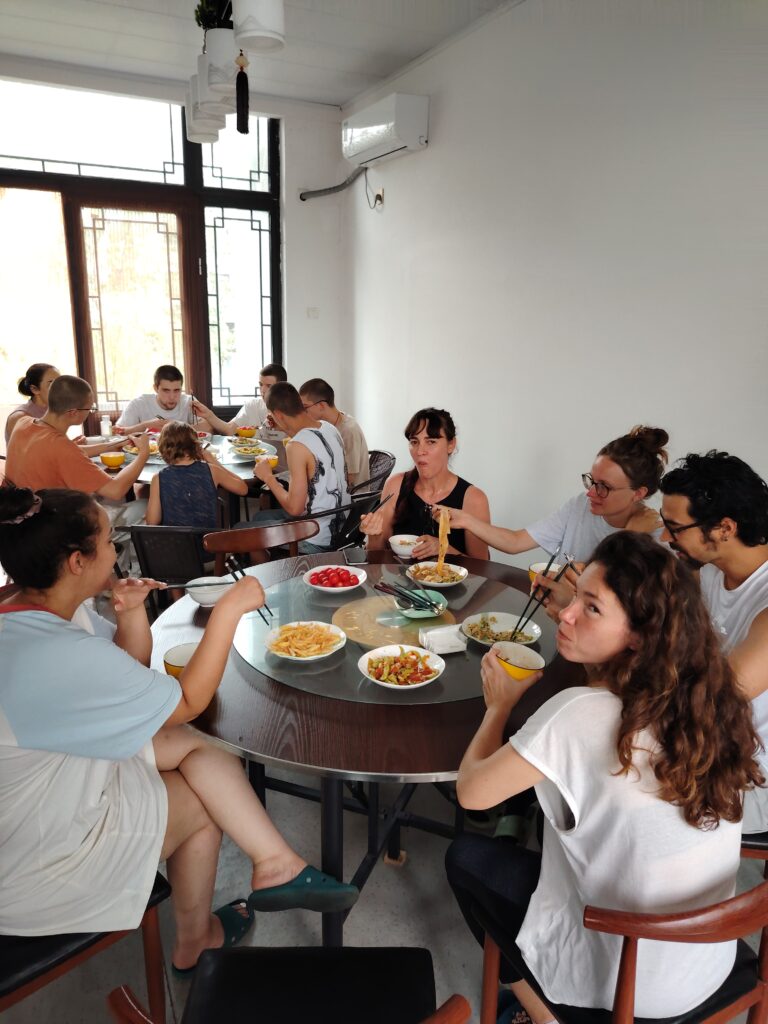
- Total Immersion: Students live on campus, eating, sleeping, and breathing traditional culture.
- Holistic Curriculum: The day includes Traditional Shaolin Kung Fu, Sanda (Chinese Kickboxing), and internal arts like Qigong and meditation.
This level of intensity is rare elsewhere but is standard practice in our region. For international students joining our martial arts summer camp or long-term programs, this environment offers a direct connection to the “Three Treasures of Shaolin”: Chan (Philosophy), Wu (Martial Arts), and Yi (Medicine).
Terminology Matters: Wushu vs. Traditional Kung Fu
When students arrive at our academy in the Songshan mountains, the first hurdle is often the language. In the West, “Kung Fu” is the catch-all term. In China, “Wushu” literally translates to “Martial Art.” However, the distinction isn’t just semantics; it represents a split between sport and heritage.
Modern Wushu: Acrobatics and Performance Standards
Modern Wushu has evolved largely into a performance-based sport. It prioritizes aesthetics, extreme flexibility, and high-flying acrobatics over combat application. This style is standardized for competition, focusing on visual appeal similar to gymnastics. You see this heavily influenced by the push for global recognition, which explains why China wants to promote Wushu into the Olympics. While the athleticism is undeniable, Modern Wushu often separates the forms (Taolu) from their original fighting intent.
Traditional Gong Fu: Lineage, Combat, and Philosophy
Traditional Chinese Martial Arts (TCMA), or traditional Gong Fu, is what we preserve here. It is not designed for a scorecard but for survival, health, and spiritual growth. Under the guidance of masters like Shifu Shi Yan Jun, a 34th Generation Shaolin Warrior Monk, the focus remains on the “Three Treasures of Shaolin”:
- Chan (Philosophy): The mental cultivation and Zen meditation that grounds the physical practice.
- Wu (Martial Arts): Practical combat skills, including Sanda (Chinese Kickboxing) and Qin Na (joint locking).
- Yi (Medicine): Healing practices like Qigong and Ba Duan Jin.
Real Kung Fu vs. Movie Kung Fu is a stark reality check for many. Authentic training is repetitive and gritty. Our Kung Fu training curriculum demands 6 to 8 hours of daily practice, integrating internal arts like Tai Chi and Qigong with hard external conditioning. We don’t just teach you how to move; we teach you the lineage and application behind every movement.
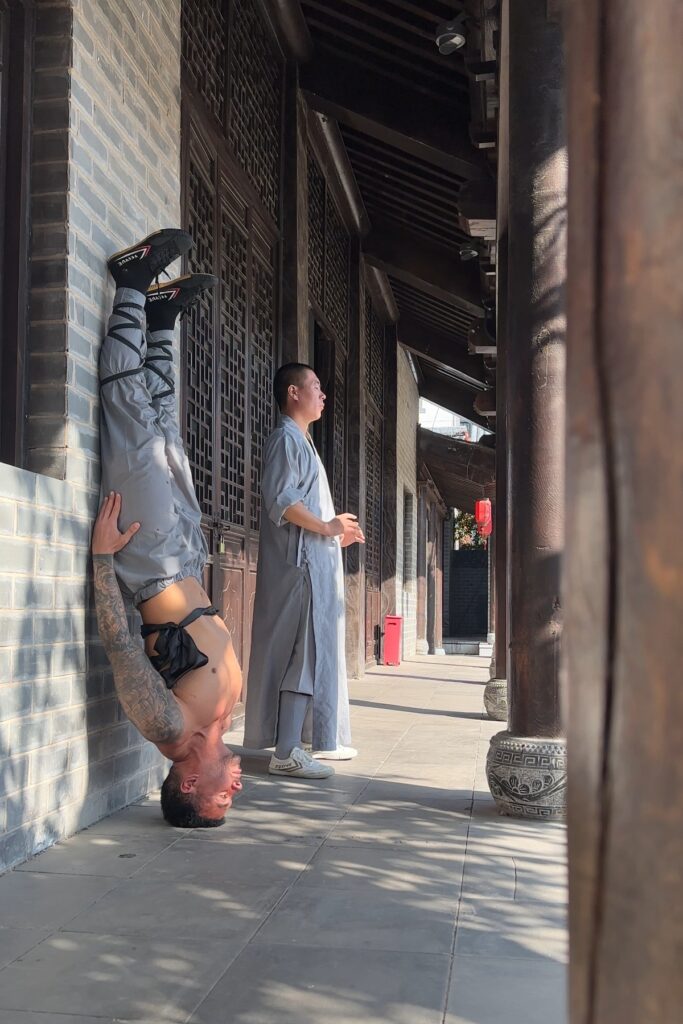
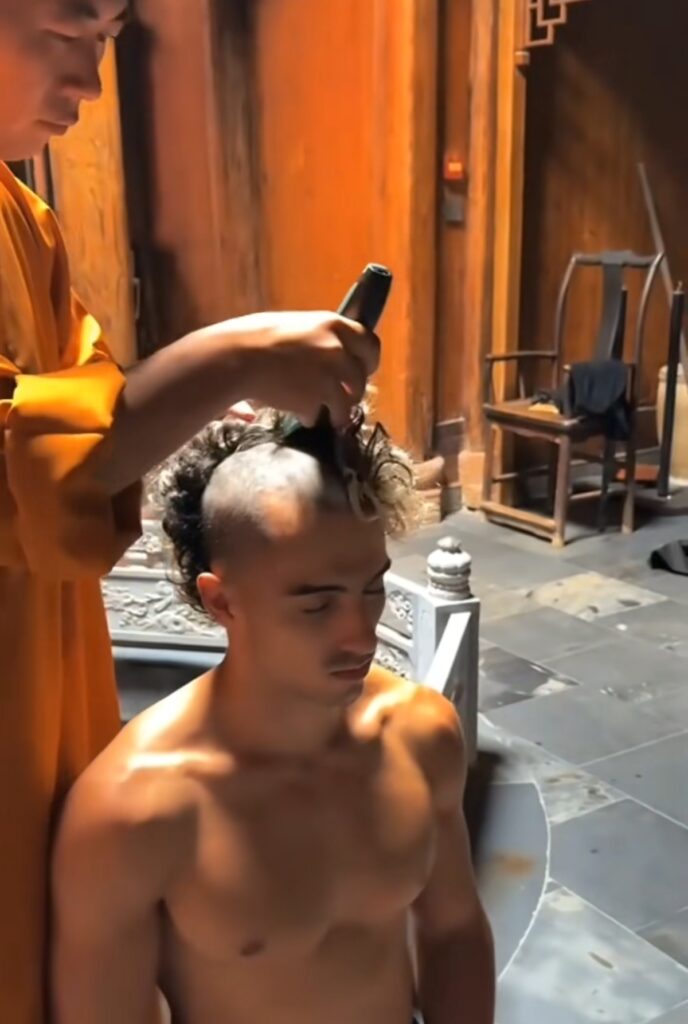
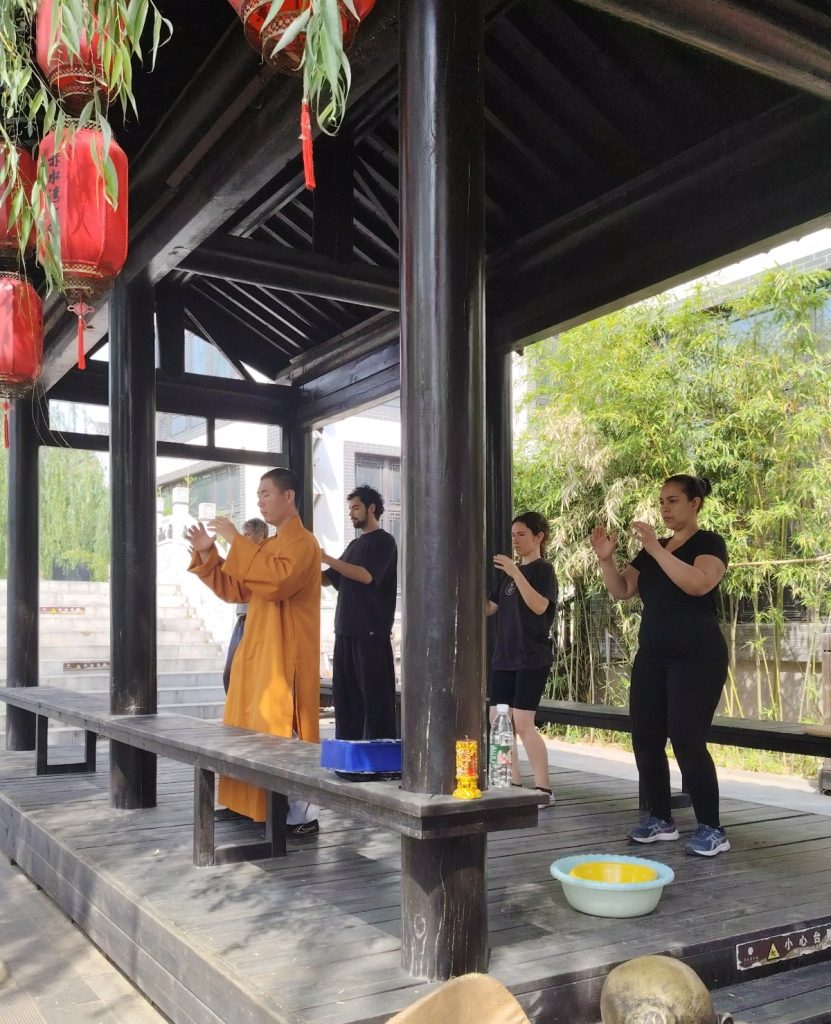
Who Actually Practices Kung Fu Today?
When you look past the movies, the demographics of martial arts in China are quite specific. It is not just everyone fighting in the streets; the practice is divided by purpose, age, and dedication.
The Elderly and Health Preservation (Yang Sheng)
If you visit a public park at dawn, you will see Tai Chi in Chinese parks practiced religiously by the older generation. This is rarely about combat; it is about Yang Sheng, or health preservation. They focus on slow, deliberate movements to maintain mobility and internal flow. At our academy, we integrate this philosophy through Qi Gong for health and soft styles like Tai Chi, which are essential for balancing the body’s energy and practicing Tai Chi for your life ensures longevity well into old age.
Professional Athletes and Security Personnel
On the other end of the spectrum, you have the youth training for specific careers. This is where Sanda (Chinese Kickboxing) training dominates. It is full-contact, high-intensity, and practical. Many students in the Songshan area train in these external combat methods to enter sports universities, join the police force, or work in private security. The training we offer in Sanda prepares students for real-world application, focusing on speed, power, and reaction time.
International Seekers: Why Foreigners Are Preserving the Art
Surprisingly, some of the most dedicated students of Traditional Chinese Martial Arts (TCMA) are not local. We host international students who travel thousands of miles to find authentic lineage under masters like Shifu Shi Yan Jun. While modern life in major Chinese cities often moves away from tradition, Kung Fu training for foreigners has become a vital way to keep the old ways alive. These students come to us to immerse themselves in the full lifestyle—training 6 to 8 hours a day, studying Chan philosophy, and meeting the requirements for foreigners to learn Kung Fu in its birthplace.
Why Kung Fu is Uncommon Yet Everywhere
You might not see people sparring on every street corner in Beijing or Shanghai, but the spirit of martial arts permeates Chinese society in ways that aren’t immediately visible. The paradox of Kung Fu in China is that while active combat training is specialized, the underlying culture is omnipresent.
Cultural Philosophy in Business and Family Life
The term “Kung Fu” (Gong Fu) literally translates to skill achieved through hard work and time. It is not exclusively about fighting. This philosophy is deeply embedded in daily interactions, business negotiations, and family structures.
At our academy, we emphasize the “Three Treasures of Shaolin”: Chan (Philosophy), Wu (Martial Arts), and Yi (Medicine). In broader Chinese society, you see this influence in:
- Discipline and Hierarchy: The respect for teachers (Shifu) and elders mirrors the strict lineage structures of traditional martial arts.
- Strategic Thinking: Business tactics often draw from the same strategic principles found in combat theory.
- Holistic Health: The integration of Yi (Medicine) means that maintaining physical balance is a lifestyle, not just a gym routine.
The Sanda Factor: Chinese Kickboxing in Modern Gyms

While traditional robes and forms (Taolu) are less common in commercial city centers, practical combat sports are thriving. Sanda (Chinese Kickboxing) represents the modern evolution of traditional techniques adapted for full-contact sport.
Sanda is widely practiced in modern gyms and by security professionals because it strips away the pageantry to focus on efficiency—combining striking, wrestling, and takedowns. It bridges the gap between ancient heritage and modern utility. For international students who learn Kung Fu in China, Sanda often becomes a favorite discipline because it offers a high-intensity, practical application of the movements developed centuries ago in the Songshan mountains.
Frequently Asked Questions About Kung Fu in China
Do all Chinese people know Kung Fu?
No, this is a major stereotype fueled by movies. While you will see Traditional Chinese Martial Arts (TCMA) elements like Tai Chi in parks, the average person does not know how to fight. True Kung Fu requires years of disciplined study, similar to becoming a professional athlete in the US. Most locals treat it as a cultural treasure rather than a daily practice, leaving the serious training to dedicated students at specialized academies like ours.
Is Kung Fu still popular among Chinese youth?
The landscape is changing. Many young people today are focused heavily on academics or Western sports. However, Sanda (Chinese Kickboxing) remains popular because it offers a modern, competitive outlet for combat sports. Traditional styles are preserved strictly in martial arts boarding schools where students train full-time, ensuring the lineage continues despite modern distractions.
Where is the best place to learn authentic Kung Fu in China?
If you want the real deal, you have to go to the source. The Songshan mountain range in Henan Province is the undisputed capital of these arts. This region is home to the original Shaolin Temple and the deepest roots of the tradition. We established our academy here to give international students a way to find the best place to learn authentic Kung Fu in China, training directly under masters like Shifu Shi Yan Jun who hold genuine generational lineage.