


Where Can I Learn Kung Fu in China Complete 2026 Guide
If you’ve ever dreamed of training real Kung Fu in China, you’re not alone.
Every year, people from all over the world fly to China to practice Shaolin Kung Fu, Tai Chi, Wing Chun, and Sanda in the places where these arts were born.
But here’s the challenge:
With so many “Kung Fu schools” online, how do you find a truly authentic martial arts academy in China—one that offers real lineage, serious training, and is actually foreigner-friendly?
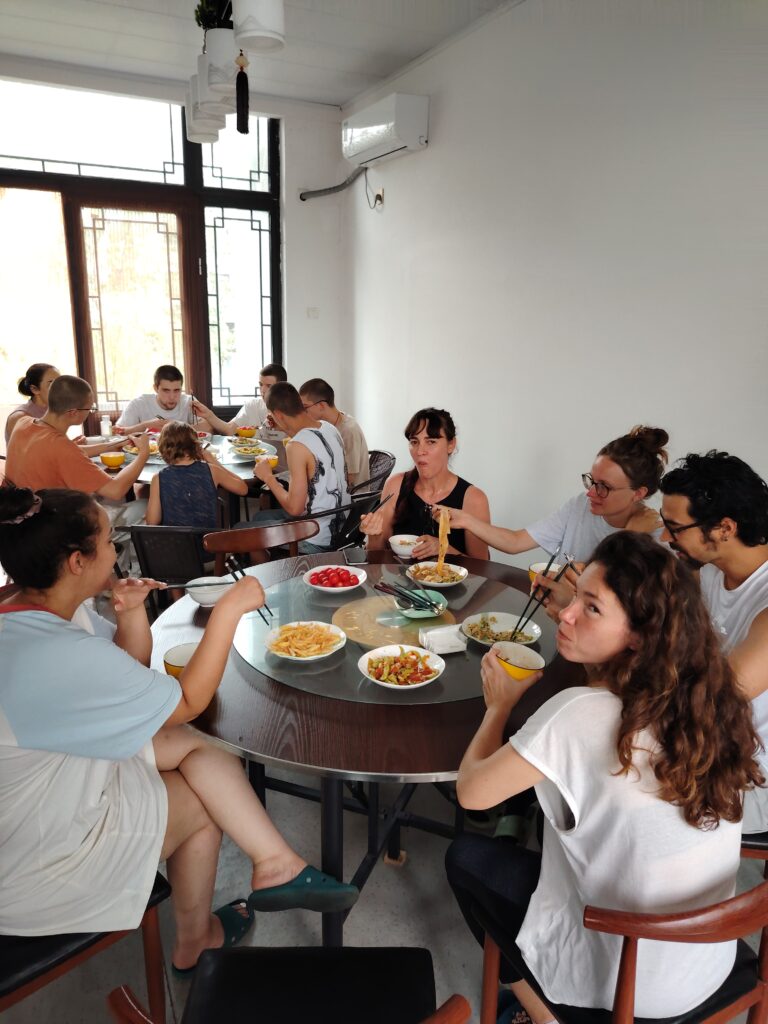

In this guide, you’ll discover exactly where you can learn Kung Fu in China, the best regions and styles to choose from, what daily training is really like, and how to plan your trip step by step.
You’ll also see why many students now prefer training at Shaolin Temple Center China, a Shaolin–affiliated school in Handan that combines traditional Shaolin Kung Fu, Tai Chi, Qigong, and Sanda with modern comfort and support for international students.
If you’re ready to stop just watching Kung Fu movies and start living the experience in China, keep reading.
Why Learn Kung Fu in China?
Learning Kung Fu in China connects you directly to the origin of one of the world’s oldest martial traditions. You’re not just “taking classes” — you’re stepping into a living culture shaped by monks, warriors, and philosophers over centuries.
Historical and Cultural Power
Kung Fu (Gongfu) was born in China’s temples, villages, and courts. Training here means you:
- Practice where legendary monks and masters actually trained
- Experience Kung Fu as both martial art and way of life
- Absorb Chinese philosophy, Buddhism, Daoism, and Confucian discipline in real settings
| Reason | What You Gain |
|---|---|
| Deep roots | Authentic forms, stories, and rituals from the source |
| Cultural immersion | Language, customs, temple visits, festivals |
| Real tradition | Masters who learned from generations before them |
Real-World Benefits for Your Body and Mind
Kung Fu training in China is intense but deeply rewarding:
- Physical fitness: Strength, flexibility, conditioning, coordination
- Mental discipline: Focus, resilience, patience, emotional control
- Self-defense skills: Practical techniques you can use in real life
- Spiritual growth: Calm mind, better breathing, inner confidence
Why Train in China Instead of at Home?
You can learn basics anywhere, but China offers an environment you can’t copy:
- Authentic lineage – Masters directly connected to Shaolin, Tai Chi, and other traditional styles
- Natural settings – Mountains, temples, and training yards designed for full focus
- Immersive lifestyle – Train, eat, and live on-site with other dedicated students
| Abroad | In China |
|---|---|
| Modern gyms, mixed lineages | Direct lines to traditional masters |
| Limited cultural context | Full cultural immersion daily |
| Part-time hobby | Full-time lifestyle and transformation |
Who This Experience Is For
You don’t need to be fit, flexible, or experienced. You just need the desire to grow.
- Beginners who want a structured, step-by-step path
- Families looking for a meaningful, active trip that builds discipline and bonding
- Professionals needing a break from screens and stress to reset body and mind
- Martial artists who want to deepen skills with traditional Chinese training
If you want a challenge that reshapes your health, mindset, and perspective on life, learning Kung Fu in China is one of the most powerful decisions you can make.
Top Regions for Kung Fu Training in China
If you’re serious about learning kung fu in China, where you train matters just as much as who you train with. Different regions have their own flavor, history, and training vibe. Here’s how I break down the best areas for U.S. students looking for real-deal kung fu training in China.
Henan Province – Shaolin Temple & Dengfeng
Henan is the heart of traditional Shaolin Kung Fu training in China. The Dengfeng area around the original Shaolin Temple is packed with academies, from huge performance schools to small, traditional setups.
What Henan is best for:
- Students who want authentic Shaolin lineage and temple culture
- Full-time Shaolin Kung Fu, Sanda, and Qigong training
- People who don’t mind an intense, no-frills lifestyle focused on training
If you’re comparing typical Dengfeng “tourist” schools vs. more authentic options, guides like this breakdown of an authentic Shaolin kung fu retreat in China (https://shaolintemplechina.com/kung-fu-retreat-china-guide-authentic-shaolin-training/) will give you a good feel for what to expect.
Shandong Province – Mountain Retreat Feel
Shandong gives you that quiet mountain training camp vibe. Think misty hills, temples, and older masters who care more about correct basics than flashy demos.
Shandong stands out for:
- Traditional northern styles and long-fist kung fu
- A calmer, “retreat” atmosphere compared to crowded Shaolin areas
- People who want to train hard but also enjoy hiking, nature, and slower city life
It’s a strong pick if you want kung fu plus a peaceful reset from U.S. work culture.
Hebei Province – Tai Chi Roots & Martial Arts Villages
Hebei is a big deal if you’re interested in Tai Chi (Taijiquan) and internal styles. Areas around Handan and Cangzhou have deep roots in both Tai Chi and traditional combat arts.
Hebei is ideal for:
- Learning Tai Chi for health, balance, and longevity
- Training in martial arts villages where locals actually grew up with this stuff
- People who want a mix of Tai Chi, Shaolin, and Sanda options in one region
Handan in particular is known for its Tai Chi heritage and growing foreigner-friendly training centers, including my own Shaolin Temple Center China setup, which combines Shaolin, Tai Chi, and Qigong in a more focused, small-group environment.
For pure Tai Chi, you can also look at resources on the best Tai Chi schools in China (https://shaolintemplechina.com/best-tai-chi-school-in-china/) to compare training styles and regions.
Other Notable Areas – Yunnan, Hubei (Wudang), Jiangsu
Beyond the “big three,” there are a few regions that are absolutely worth a look:
Yunnan
- Mild climate, mountains, clean air
- Great for people wanting kung fu retreats plus trekking and nature
- Good fit if you prefer a more relaxed, backpacker-friendly environment
Hubei – Wudang Mountains
- Famous for Wudang Tai Chi, internal arts, and Taoist culture
- Great if you’re into meditation, Qigong, and softer styles
- Less about hard Shaolin-style conditioning, more about internal power and longevity
Jiangsu
- Strong in internal styles, weapons, and traditional family lineages
- Closer to major cities like Nanjing and Shanghai
- Good balance if you want to train but still have easier access to city life, flights, and amenities
If you’re coming from the U.S., here’s how I’d sum it up:
- Want hardcore Shaolin and Sanda? Start with Henan.
- Want peaceful, scenic training with traditional flavor? Look at Shandong or Yunnan.
- Want Tai Chi, internal arts, and village culture? Hebei or Wudang (Hubei).
- Want training plus easy city access? Jiangsu is a solid compromise.
Types of Kung Fu You Can Learn in China
When you come to China to learn kung fu, you’re not locked into one path. You can mix styles based on your goals—whether that’s real-world self-defense, deep internal work, or classic Shaolin training.
Shaolin Kung Fu
Shaolin is the most famous style to learn in China, and for good reason:
- Forms (Taolu): Traditional hand and weapon routines that build coordination, power, and speed.
- Weapons: Staff, broadsword, straight sword, spear, and more. Great for balance, timing, and focus.
- Qigong: Breathing and energy work to boost stamina, recovery, and mental calm.
- Acrobatics: Jumps, flips, and flexibility training that push your body safely to new limits.
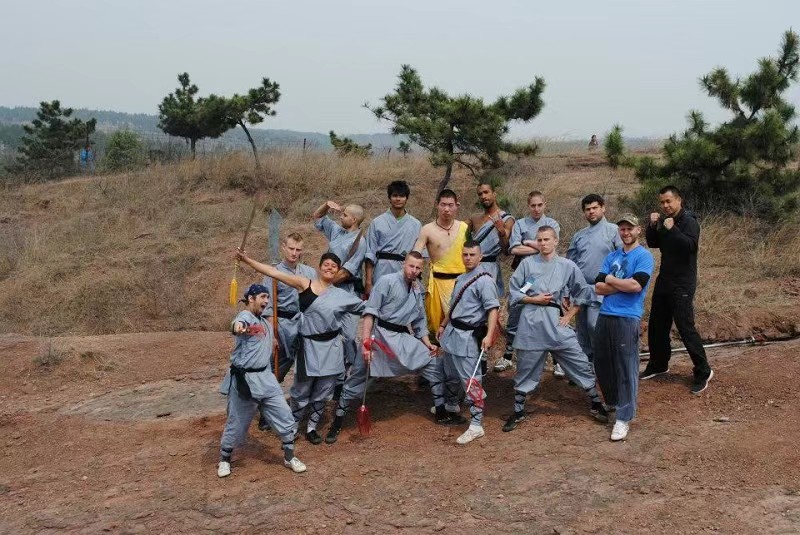
At my Shaolin Temple Center China in Handan, we focus on authentic traditional Shaolin Kung Fu with real application, not just performance.

Learn Kung Fu in China
Where Can I Learn Kung Fu in China Complete 2026 Guide
Tai Chi (Taijiquan)
If you want something easier on the joints that still delivers real results, Tai Chi training in China is a strong choice:
- Smooth, slow forms to improve balance, posture, and joint health.
- Internal power and relaxation instead of brute force.
- Great for all ages, including complete beginners and older adults.
You can see how we combine Tai Chi, Kung Fu, and Qigong in structured programs on this page about Tai Chi & Kung Fu training in China.
Sanda (Sanshou)
If you’re more into fighting and conditioning, Sanda (Chinese kickboxing) is the combat side of kung fu:
- Punches, kicks, and knees
- Throws and takedowns
- Pad work, sparring, and intense conditioning
This is ideal if you already train MMA, boxing, or kickboxing in the US and want to add a Chinese striking flavor.
Other Kung Fu Styles in China
Beyond Shaolin, Tai Chi, and Sanda, you can also find:
- Wing Chun: Close-range, straight-line fighting, centerline control, and fast hand work.
- Mantis Fist (Tanglangquan): Trapping, speed, and tricky angles.
- Bagua (Baguazhang): Circular footwork, evasive movement, and internal power.
- Baji Quan: Explosive short-range power, body checks, and fajin (power release).
Most foreigners start with Shaolin, Tai Chi, and Sanda first, then branch into these once they’ve built a solid base. If you want a clear breakdown of options and what’s realistic as a foreigner, I’ve laid it out simply on this guide to learning kung fu in China as a foreigner.
How to Choose the Right Kung Fu School in China
When you’re flying all the way from the US to learn kung fu in China, the school you pick will make or break your experience. Here’s how I’d filter schools fast.
Must‑Have Factors
Non‑negotiables to look for:
| Factor | What It Means | Why It Matters |
|---|---|---|
| Authentic lineage | Masters directly connected to Shaolin or recognized traditional styles | You get real kung fu, not just a show |
| Small class sizes | 1–10 students per coach | More corrections, faster progress |
| Foreigner‑friendly | English support, visa help, clear pricing | Less stress, more training |
| Full‑time training | Set schedule, year‑round programs | Consistency and structure |
| Balanced curriculum | Forms, basics, conditioning, Qigong, applications | Not just “demo” kung fu |
If you want a reference point, check how established foreigner programs structure things, like the way the best kung fu schools in China for foreigners handle training, housing, and visas in their foreigner-focused Shaolin programs.
Red Flags to Avoid
Skip schools that:
- Focus only on stage performance and tourist shows
- Promise “master level” in a few weeks
- Have huge crowded classes with almost no personal corrections
- Push hidden fees (uniforms, “special” classes, photo packages)
- Talk more about belts, certificates, and medals than training and lineage
If the website or marketing feels like a tourist trap, it probably is.
Location, Facilities, and Culture
Where you train matters just as much as who you train with.
Location tips:
- Quiet town / village > big city nightlife if you want real progress
- Close to mountains or nature = better focus, better recovery
- Easy transport from a major city (Beijing, Zhengzhou, etc.) helps with travel
Facility checklist:
- Clean dorms and hot showers
- Indoor and outdoor training spaces
- On-site canteen with simple, healthy meals
- Basic gym or conditioning area
Cultural immersion:
You want a school that actually pulls you into Chinese culture, not keeps you in a foreigner bubble. Look for:
- Calligraphy, tea, temple visits, basic Chinese language
- Time with masters outside of class
- Interaction with local Chinese students
Schools that are built around real monastery-style training, like those that model their approach on traditional Shaolin monk training for foreigners, tend to get this right: serious training, simple living, and real cultural immersion.
Spotlight: Learn Kung Fu in China at Shaolin Temple Center China
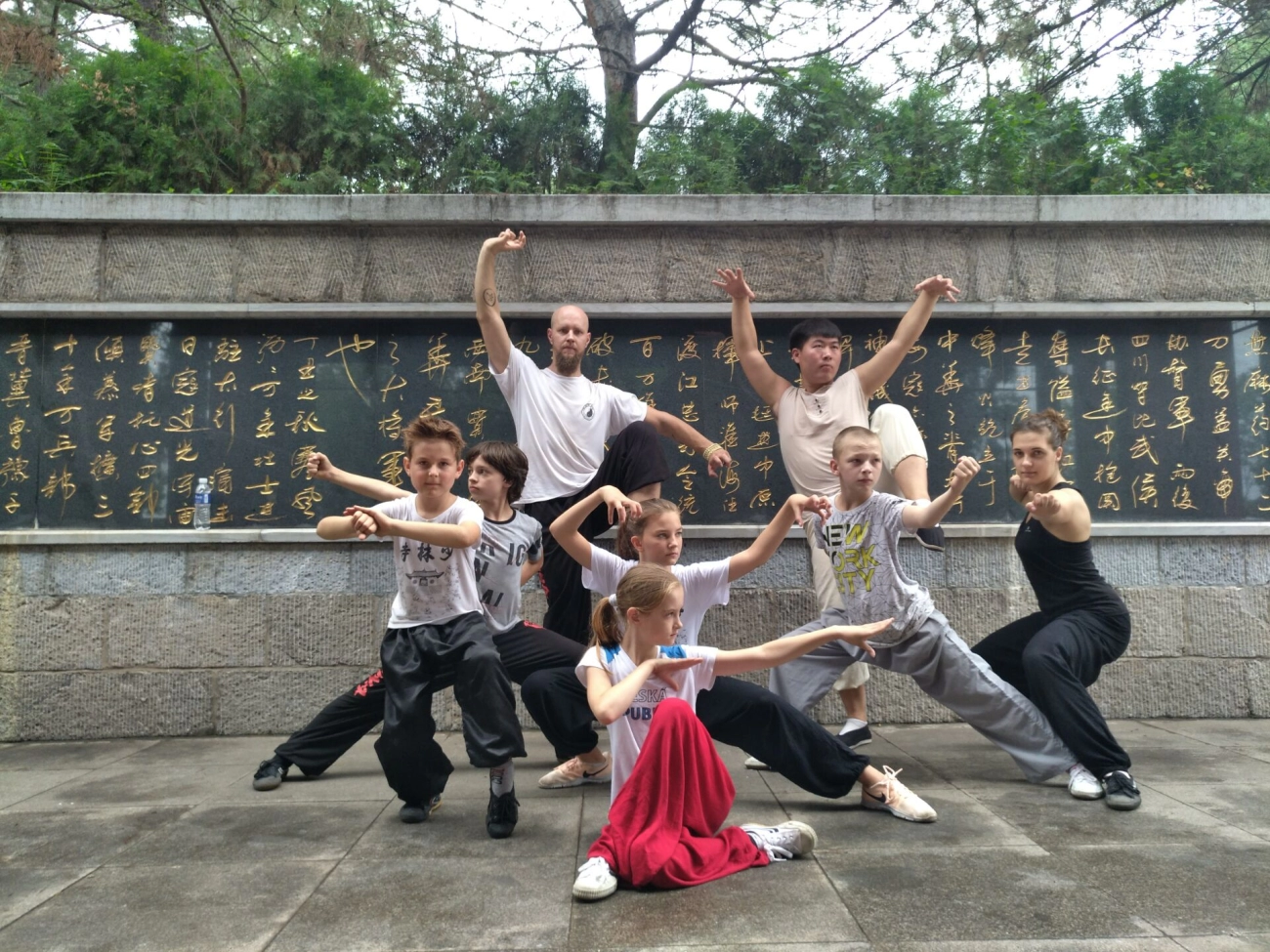
If you want to learn kung fu in China in a serious but foreigner‑friendly way, Shaolin Temple Center China in Handan is one of the best options I recommend.
Unique Location in a Real Martial Arts Village
The school is in a quiet martial arts village near Handan, an ancient capital city and a historic birthplace of Tai Chi. You’re training in the countryside, surrounded by mountains and fields, not traffic and nightlife. That setting makes it much easier to focus on kung fu, meditation, and daily practice instead of distractions.
Authentic Shaolin Lineage and Leadership
Shaolin Temple Center China was founded by 34th‑generation Shaolin monk Master Shi Yanhao, under official Shaolin Temple supervision. That means:
- Real Shaolin lineage and teaching methods
- Temple-approved curriculum and standards
- Strong focus on both traditional practice and Shaolin culture
If you care about learning authentic Shaolin Kung Fu instead of a tourist show, this matters.
Programs and Styles You Can Train
You can train full-time in a mix of traditional and modern Chinese martial arts, including:
- Traditional Shaolin Kung Fu – forms, basics, conditioning, weapons
- Tai Chi (Taijiquan) – for balance, relaxation, and internal power
- Qigong – breathing, energy work, and moving meditation
- Sanda (Sanshou) – Chinese kickboxing and practical combat
- Wing Chun and other systems – for close-range self-defense
They run beginner‑friendly programs as well as more intensive long‑term training. Many foreigners join for 1–3 months to reset their lifestyle, build discipline, and experience real kung fu culture.
If you’re interested in deeper cultural practice, their temple network also offers Shaolin meditation and culture programs that blend training with Chan (Zen) philosophy and traditional rituals, which you can explore through their Shaolin Temple meditation and culture courses.
Daily Life: Training, Food, and Stay
A typical full‑time training day includes:
- Morning Qigong or Tai Chi at sunrise
- Shaolin basics, forms, and conditioning before lunch
- Afternoon Sanda, weapons, or flexibility training
- Optional evening meditation or light practice
Accommodation is simple but decent: shared rooms or dorms, hot water, Wi‑Fi, and clean training areas. Meals are mostly Chinese home-style food, with a lot of vegetables, rice, and simple protein—built to support hard training without junk.
Why It Works Well for Foreigners
If you’re coming from the U.S. (or anywhere in the West), this school is built with you in mind:
- Personalized instruction – smaller classes and direct correction from coaches
- Structured routine – easy to follow, even if you’re new to martial arts
- Support in English – help with travel, registration, and daily life
- Cultural activities – temple visits, calligraphy, basic Chinese, and local trips
For anyone asking “Where can I learn kung fu in China without getting lost or scammed?”, Shaolin Temple Center China gives you a legit, safe, and highly focused training environment that actually respects both the Shaolin tradition and your time and money.
What to Expect in a Typical Kung Fu Training Program in China
Daily Training Routine
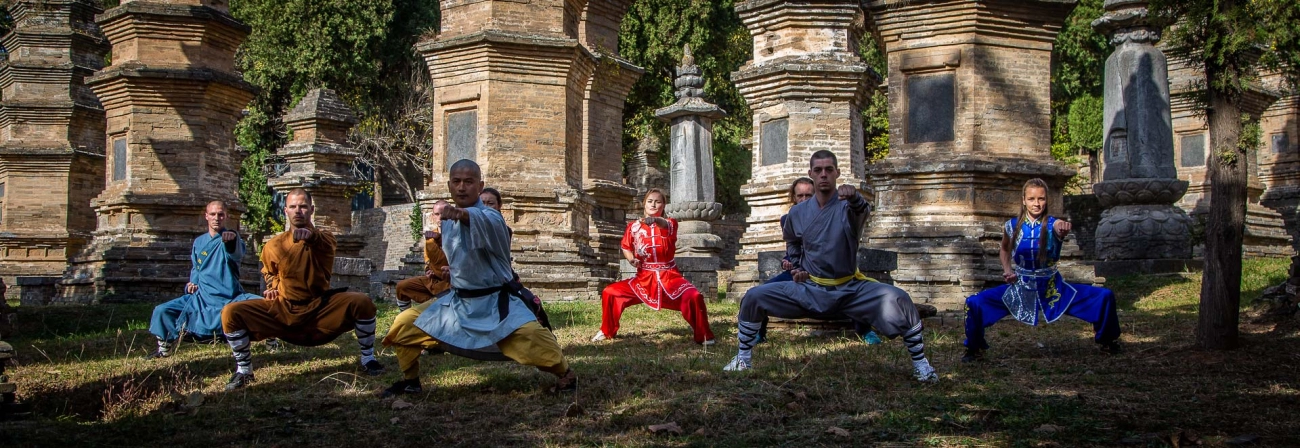
In a real kung fu training program in China, your day is built around movement, repetition, and recovery. A common schedule looks like this:
- Early Morning (6–7:30 a.m.)
- Light jog or warm-up
- Qigong and stretching for breath, balance, and joint health
- Basic stance work to wake up legs and core
- Morning Session (9–11:30 a.m.)
- Forms practice (Taolu): Shaolin forms, Tai Chi, or your chosen style
- Kicks, punches, footwork, and partner drills
- Flexibility training and coordination drills
- Afternoon Session (3–5:30 p.m.)
- Strength and conditioning: bodyweight, running, hill sprints, basic equipment
- Pads and bag work, Sanda drills, or applications of forms
- Optional weapons practice (staff, sword, etc.)
- Evening (Optional)
- Light stretching, meditation, or solo practice
- Review of forms and corrections from your coach
If you want to see how a full day is structured at a serious academy, check out this sample kung fu training curriculum and daily schedule.
Duration: Short-Term, Long-Term, and Retreats
You can shape your kung fu training in China around your life and work schedule:
- Short-term (1–3 months)
- Ideal if you’re testing the waters or traveling on limited vacation time
- Focus on basics, one primary form, and building base fitness
- Long-term (6–12 months+)
- Best if you want real progress in Shaolin Kung Fu, Tai Chi, Sanda, or Qigong
- Time to refine techniques, increase flexibility, and build real fighting or performance skills
- Retreats (1–4 weeks)
- More focused, often a mix of training + recovery + culture
- Good for professionals needing a reset without committing to a full season
Intensity Levels and Progression for All Ages
You don’t need to be young or in peak shape to start kung fu training in China—but you do need to be willing to work.
- For beginners and lower fitness levels
- Coaches adjust reps, mileage, and impact
- Extra focus on safe stretching, joint health, and core strength
- Gradual build-up in flexibility and stamina over the first 2–4 weeks
- For intermediate and advanced students
- Higher-intensity drills, deeper stances, more complex forms
- Sparring (for Sanda and applicable styles), weapons, and conditioning circuits
Most solid schools run mixed-level classes but scale the intensity:
- Same drills, different pace and volume
- Clear technical progressions every few weeks
- Regular corrections from coaches so you don’t build bad habits
If you’re serious about pushing your limits, some schools also offer structured Shaolin warrior-style programs with a set path from beginner to advanced forms and conditioning; you can get a sense of that approach from this type of Shaolin warrior program training overview.
Practical guide: planning your Kung Fu trip to China
If you’re serious about kung fu training in China, planning it right matters just as much as picking the school.
Visa and paperwork
- Most long-term students use a student (X) visa or sometimes an F (visitor/student) visa if the program is short.
- Only accredited kung fu schools can issue the official documents you need for a student visa, so confirm this before you book flights.
- Ask the school for:
- An official invitation letter
- Clear visa instructions for U.S. citizens (which consulate to use, timing, etc.)
- If you’re doing a short kung fu vacation under a transit policy, schools that know the rules can guide you through options like the 240-hour transit visa waiver, as explained in this kung fu tour of China under the 240-hour transit policy.
Costs: what to budget
Prices vary by region and level of comfort, but for most serious kung fu training in China you can ballpark:
- Tuition + training: ~$600–$1,200 per month for full-time martial arts training (Shaolin, Tai Chi, Sanda, Qigong, etc.).
- Accommodation + meals (on campus): Usually included or about $300–$600 per month for shared rooms and 2–3 basic Chinese meals a day.
- Flights from the U.S.: $800–$1,600 round trip depending on the season and your airport.
- Extras:
- Laundry, SIM card, weekend trips: $100–$200/month
- Gear (uniforms, shoes, gloves, pads): $50–$200 upfront
Best time to go
You can learn kung fu in China year-round, but:
- Spring (Mar–May) and fall (Sep–Nov) are the sweet spot: cooler temperatures, easier training.
- Avoid major Chinese holidays (Chinese New Year, Golden Week in early October) if you don’t like crowds or higher travel prices.
- Winter training is totally possible, but expect cold, outdoor sessions in places like Henan and Hebei.
For timing ideas and how to match your vacation schedule with realistic training blocks, this guide on the best vacation time to visit China and learn kung fu is worth a look: vacation time to visit China and learn kung fu.
Travel tips: flights, arrival, packing
Flights & arrival
- Fly into a major hub: Beijing, Shanghai, Guangzhou, or Hong Kong; then connect to a nearby high-speed train or domestic flight.
- Ask the school for:
- The nearest airport/train station
- A pickup option or clear step-by-step directions in Chinese to show taxi or train staff
- Download offline maps and a translation app before you go.
Packing essentials
- Training clothes: breathable sports gear, kung fu shoes or light sneakers, a light jacket, and layers for morning/evening training.
- Personal items: basic meds, joint support, tape, reusable water bottle, small towel.
- Tech: unlocked phone, power adapter, and a backup of important documents on cloud storage.
Health, safety, and training precautions
- Travel insurance with medical coverage is non-negotiable. Make sure it covers sports or martial arts.
- Ask your doctor about routine vaccinations and any recommended shots for China.
- During training:
- Start slow if you’re new; don’t try to “win” the first week.
- Tell your coach about old injuries.
- Stay hydrated and respect rest days when they’re given.
Handled right, your kung fu training in China becomes a powerful reset: clear schedule, daily practice, and just enough structure so you can train hard without stressing about logistics.
Real Student Experiences Learning Kung Fu in China
How Kung Fu Training in China Changes People
When students come to China for kung fu training, they’re usually looking for more than cool kicks and punches. The real stories we hear over and over are about:
- Improved fitness:
- Losing 10–30+ pounds in a few months
- Better flexibility, posture, and stamina
- Stronger core and legs from daily Shaolin Kung Fu and Qigong
- Stronger discipline and focus:
- Waking up early, training twice a day
- Sticking to routines without excuses
- More focus at work or school after going back to the U.S.
- Deeper cultural insight:
- Understanding the real meaning of Shaolin culture and kung fu philosophy
- Experiencing temple life, local food, and traditional customs
- Learning how Tai Chi and Qigong connect body, breath, and mindset
If you want a feel for what real students go through, the detailed stories shared in the student experience reports and the candid photos in the student training gallery are very close to what you can expect in day-to-day kung fu training in China.
Common Challenges You Should Expect
Training at an authentic kung fu school in China is not a vacation. Most students from the U.S. hit a few walls:
- Physical shock: Soreness in the first 1–2 weeks from intense Shaolin Kung Fu, Sanda, or conditioning.
- Language + culture gap: Adjusting to simple dorms, different food, and basic English from local staff.
- Mental resistance: Fighting the urge to skip morning Qigong, push less in forms, or give up when it rains, snows, or gets hot.
The ones who push through this phase see the fastest growth. Many say the hardest week is week two or three—right before everything starts to click.
The Rewards That Make It Worth It
Students who stay committed to their kung fu training in China usually walk away with:
- A noticeable body transformation – leaner, stronger, and more mobile
- Real skills – solid basics in Shaolin forms, Tai Chi, Sanda, or Qigong they can continue at home
- A calmer mindset – less stress, better sleep, more patience
- Lifelong connections – training partners from all over the world and direct contact with authentic masters
For a lot of people from the U.S., this ends up being a reset button—stepping away from work, phones, and routine to fully focus on training and themselves.
Alternatives and Complementary Kung Fu Experiences in China
If you’re coming all the way to China for kung fu training, it’s smart to build a full martial arts and culture experience around it.
Visit the Original Shaolin Temple
Even if you’re training in Handan or another city, a trip to the historic Shaolin Temple in Henan is worth it.
What to do there:
- Walk the ancient temple grounds and Pagoda Forest
- Watch live kung fu shows (more performance-focused, but still fun)
- Visit smaller nearby schools to see different training styles
- Deepen your understanding of Shaolin Buddhism and monk life (this article on Buddhism and Shaolin monks gives a solid intro before you go)
| Activity | Time Needed | Who It Fits Best |
|---|---|---|
| Temple sightseeing | Half–1 day | First-timers, families |
| Show + short training | 1 day | Kids, casual travelers |
| Multi-day local stay | 2–3 days | Serious kung fu and culture fans |
Combine Kung Fu with Language and Culture
If you’re from the US and want more than “just training,” stack kung fu with language and cultural experiences:
- Chinese language classes: Great if you’re staying 1–3+ months
- Calligraphy, tea ceremony, meditation, Buddhism basics
- Martial arts history: Forms, animal styles, weapons (check out traditional Shaolin animal boxing styles before you train)
Strong combo options:
| Combo Package | Good For |
|---|---|
| Kung fu + basic Mandarin | Students, gap year, digital nomads |
| Kung fu + culture weekends | Working pros on limited vacation |
| Kung fu + meditation/Qigong | Stress relief, burnout recovery |
Options for Kids, Families, and Advanced Practitioners
You don’t need to be a 20-year-old athlete to train in China. I build programs to fit different stages of life.
For kids and families:
- Short camps (1–4 weeks) with lighter intensity
- Safe, structured schedules: training, rest, and simple cultural activities
- Parent + child training sessions to share the experience
For beginners and casual practitioners:
- Focus on basics, flexibility, and simple forms
- Clear instruction in English, slower progression
- Best for ages 18–60 with normal fitness
For advanced martial artists:
- One-on-one time with masters to sharpen forms or power
- Options to focus on Sanda, internal power, or traditional weapons
- Space to build your own training plan around our schedule
However you structure it—Shaolin Temple visit, culture add-ons, or family-friendly programs—your kung fu trip to China can be more than just workouts. It can be a reset button for your body, head, and habits.