


Origins and History of Tiger Style Kung Fu
When people ask me where tiger style kung fu really comes from, I always start at the same place: Shaolin. Tiger is not some random “movie style.” It’s a hard, combat‑driven method rooted in real violence, real conditioning, and real battlefield history.
Shaolin Roots of Hu Quan (Tiger Fist)
Traditional Shaolin Tiger Style (Hu Quan) grew out of the Five Animal Styles of Shaolin, where Tiger represented:
- Direct power
- Ruthless finishing
- Iron will under pressure
Early monks shaped Hu Quan Kung Fu to build strong bodies and unshakable spirit. The emphasis was simple: hit hard, break through, don’t retreat. From there, Tiger methods spread into lay disciples, militias, and civilian bodyguards across China.
Tiger Style Across Dynasties and Military Use
Over different dynasties, Tiger concepts were absorbed into:
- Monastery guard training
- Escort and security work along trade routes
- Local militia and village defense systems
The logic was clear: tiger style self-defense works well in close, chaotic conditions—exactly what you’d face in street ambushes or close‑quarters warfare.
Northern vs. Southern Tiger Development
As Shaolin Kung Fu history unfolded, Tiger split into distinct regional flavors:
- Northern Tiger – Longer range, wider steps, higher mobile stances; more leaping and extended strikes, shaped by open terrain and mounted threats.
- Southern Tiger – Lower, heavier stances, short explosive power, close‑range tiger style strikes ideal for crowded alleys, boats, and tight indoor spaces.
Both kept the same core: aggressive entry, crushing grip, and constant forward pressure.
Black Tiger Fist, Fu Jow Pai, White Tiger
Over time, different lineages systemized Tiger differently, giving rise to powerful branches such as:
- Black Tiger Fist (Hei Hu Quan / Black Tiger Fist) – Known for ferocious combinations, heavy stance work, and strong emphasis on tiger claw techniques.
- Fu Jow Pai (Tiger Claw System) – A modernized but authentic line with deep roots in traditional Tiger methods, focusing heavily on claw, ripping, and realistic fighting drills.
- White Tiger – Regional branches that blended Tiger with local styles, often emphasizing speed, angular footwork, and sudden explosive entries.
These branches kept the heart of authentic Tiger Quan while adjusting tactics to local needs and body types.
Tiger in Hung Gar and Famous Lineages
In the south, Tiger reached one of its most refined expressions inside Hung Gar Kung Fu. The famous Hung Gar sets embody:
- Hung Gar Tiger techniques – Crushing bridge hands, ripping claws, and heavy, rooted power
- Integration of Tiger with Crane, Snake, Leopard, and Dragon for a complete Five Animal strategy
Many of today’s “traditional tiger kung fu vs modern” discussions trace back to these lineages. The real thing is always the same: hard training, functional application, and respect for Shaolin Tiger Style as a living combat art, not just performance.
Philosophy and Spirit of Tiger Style Kung Fu
Tiger style kung fu isn’t just about looking fierce—it’s a mindset. When I train authentic Shaolin Tiger Style, I’m training myself to move and think like a hunter, not a victim.
Tiger Attributes: Courage, Ferocity, Relentlessness, Focus
Tiger style builds:
- Courage – You learn to step in, not back, even when pressure hits.
- Ferocity – Short, explosive attacks with real intent, not point-scoring.
- Relentlessness – Constant forward pressure; you don’t “spar,” you hunt openings.
- Focus – Eyes locked on the target, no wasted motion, no extra drama.
This is why tiger style kung fu history keeps stressing spirit as much as technique. If the mindset is weak, the tiger claw techniques don’t mean much.
The “Angry Tiger Roaring in the Forest” Mindset
When people talk about the “angry tiger roaring in the forest,” they’re describing a mental switch:
- You commit 100% once you decide to move.
- Your intent is clear: stop the threat fast.
- Your body, breath, and eyes all project pressure forward.
In traditional Shaolin Tiger Style, this roar can show up as sharp exhalations, kiai-like shouts, and a heavy, intimidating presence—meant to break the opponent’s will before they break your structure. You can see this idea carried through many Shaolin animal boxing styles taught at the temple today, especially in how they use sound and breath to sharpen intent (Shaolin animal boxing overview).
Balancing Aggression with Discipline and Respect
The key in real training is controlled aggression:
- You turn the “tiger” on in training and self-defense, not in everyday life.
- You hit hard, but you stay aware of legal, ethical, and safety limits.
- You use ferocity to protect, not to bully.
At Shaolin, the tiger spirit is always tied to discipline, respect, and responsibility. Without that, it’s just street brawling, not authentic Tiger Quan.
Tiger Spirit vs Other Shaolin Animal Styles
Each of the Five Animal Styles of Shaolin has its own personality:
- Tiger – direct, powerful, close-range, overwhelming pressure.
- Crane – calm, balanced, evasive, precise.
- Snake – soft, coiling, piercing vital points.
- Leopard – speed, whipping power, hit-and-run.
- Dragon – fluid, changing angles, internal and external combined.
Tiger style is what I lean on when I need simple, aggressive, close-quarters solutions. It’s less about pretty shapes and more about mindset: courage under pressure, explosive action, and never backing down once you commit. If that’s the mental edge you’re looking for, tiger spirit fits you better than the lighter, more evasive animal styles taught in traditional Shaolin kung fu programs like those at the Shaolin Temple in China (Shaolin Tiger Fist focus).
Core Characteristics of Tiger Style Kung Fu
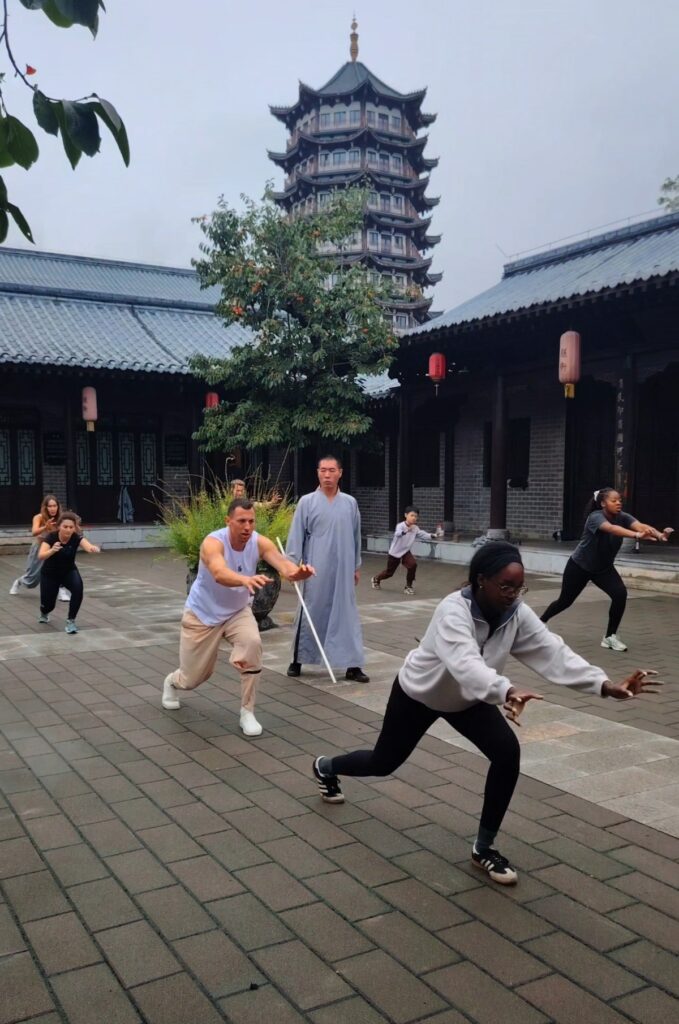
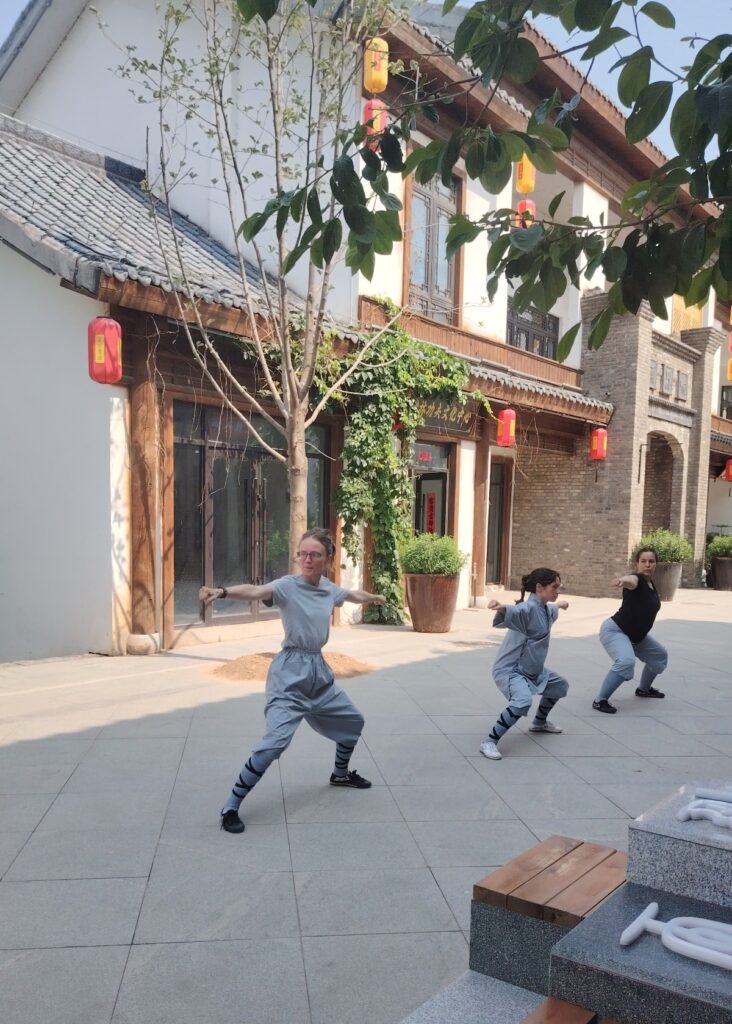
Tiger style kung fu is built around close‑range power and a direct attacking strategy. I don’t chase fancy moves—I drive straight in, break structure, and overwhelm the opponent before they can recover. The goal is simple: close the distance fast, hit hard, and keep hitting until the threat is done.
Low Stances and Rooted Footwork
Tiger style lives in low, stable stances like deep horse stance and forward bow stance. This gives you:
- Strong base and balance under pressure
- Better ability to absorb and return force
- Short, powerful steps that keep you “stuck” to the opponent
If you’re not used to deep stances, drills like dedicated ma bu (horse stance) training are non‑negotiable. Building this kind of root is the same foundation used in traditional Shaolin stance training.
Whole‑Body Power (Fa Jin) in Tiger Strikes
Every tiger style strike—whether claw, fist, palm, or elbow—comes from whole‑body power (fa jin), not just arm strength. I drive from the legs, rotate the hips, coil the spine, and snap everything out in one explosive shot. This is what makes tiger palm strikes, backfists, and short hooks feel heavy even at close range.
Forward Pressure, Aggression, and Intent
Tiger style kung fu is all about forward pressure. I keep stepping in, jamming space, and forcing the other person to react to me:
- No backing straight up
- Cut angles while moving forward
- Hit through the guard, not “around” it
The mental side is just as important. You move with aggression and clear intent—not wild rage, but a locked‑in decision to end the fight fast.
Breathing, Qi Focus, and the Tiger Roar
Breathing in tiger style is sharp, short, and tied to impact. I use:
- Strong exhales on every strike to brace the core
- Focused breath to tighten the body at the moment of contact
- Occasional tiger roar‑style vocalization to shock, intimidate, and release power
This isn’t movie theatrics; it’s a way to combine breath, qi focus, and mindset so every movement feels like a committed attack.
Tiger Claw Techniques and Hand Shapes in Tiger Style Kung Fu
In real tiger style kung fu, the tiger claw isn’t just a cool pose – it’s a functional weapon. I train students to build a strong, structured claw that can grab, crush, and tear with control, not just aggression.
Tiger Claw Structure and Conditioning
A proper tiger claw hand shape looks and feels like a hooked paw, not spread “jazz hands”:
- Fingers slightly curved, tips digging in like hooks
- Thumb clamping in toward the base of the index or middle finger
- Wrist slightly sunk and aligned with the forearm for power
- Knuckles and forearms conditioned to handle impact
For iron claw training, I use:
- Grip trainers and buckets of sand/beans for finger strength
- Hanging and gripping towels or gi jackets
- Light claw strikes into pads before moving to harder surfaces
The goal is simple: a functional, safe tiger claw that can actually be used in contact, not just in forms.
Gripping, Ripping, and Tearing Applications
Tiger style is famous for grabbing and ripping:
- Seizing muscles and tendons (biceps, neck, traps)
- Clawing the face, jawline, and ears to break posture
- Digging into ribs or collarbone to shock and control
I teach these as controlled self‑defense tools, not as movie-style mutilation. You use the tiger claw to:
- Break balance
- Expose targets
- Finish with strikes, takedowns, or escapes
Raking and Slashing Attacks to Vital Targets
Raking and slashing tiger claw attacks work well at close range:
- Eyes (thumb or fingertip jabs, with extreme control in training)
- Nose and cheeks (raking to distract and off-balance)
- Throat and neck (slashing and pressing, never full force in practice)
In training, we keep it safe by:
- Aiming for chest, shoulders, and arms
- Using open-hand rakes on pads and shields
- Practicing slow, technical entries before adding speed
Tiger Palm, Backfist, and Elbow Combinations
Tiger style kung fu blends tiger palm strikes, backfists, and elbows into short, explosive chains:
- Tiger palm to the chest or jaw to stun and drive the opponent back
- Backfist to the temple or side of the head as they turn or flinch
- Elbow to the body or chin as you crash in with forward pressure
A typical combo might be:
- Tiger palm strike to the chest
- Backfist to the temple as the head turns
- Follow with an elbow and finish with a controlling tiger claw grab
Transitioning Between Fist, Claw, and Palm in Combat
Real tiger style self-defense means you’re always shifting tools:
- Close with fists to cover distance
- Switch to tiger claw to grab, pull, and control the head, neck, or arm
- Flow into tiger palm strikes and elbows when you feel an opening
The key is no pauses:
- Punch flows into claw
- Claw flows into palm
- Palm flows into elbow, knee, or takedown
If you’re starting from scratch and want to build this kind of close‑range striking safely, I usually recommend people look at structured beginner programs like our adult martial arts classes for beginners that already include fundamentals from Shaolin animal styles and make it easier to layer in tiger claw work later on: adult martial arts classes for beginners.
Tiger kung fu forms and traditional taolu
Tiger style kung fu really comes alive in its forms (taolu). These aren’t just “dance routines” – they’re how we load power into the body, sharpen intent, and hard‑wire tiger spirit under pressure. When I design training for students in the U.S., I keep forms short, direct, and fight-focused so they actually carry over into real self‑defense.
Key Shaolin Tiger forms and levels
In traditional Shaolin Tiger Style (Hu Quan), forms are usually grouped by level:
- Beginner Tiger forms
- Simple tiger stance, basic tiger claw, straight‑line attacks
- Goal: build low stances, leg strength, and basic “forward pressure”
- Intermediate Tiger forms
- Angle changes, close‑range entries, joint controls, takedown concepts
- Goal: coordinate whole‑body power and timing
- Advanced Tiger forms
- Explosive combos, multiple attackers, power changes, short bursts of fa jin
- Goal: train aggression, precision, and recovery under fatigue
If you ever decide to train at an authentic Shaolin school in China, solid basics in these Tiger forms will help you get the most out of traditional Shaolin kung fu training programs.
Black Tiger Fist forms and variations
Black Tiger Fist is one of the most recognized branches of tiger kung fu:
- Short, aggressive sets built around sudden forward bursts
- Strong use of tiger claw, backfist, low kicks, and smashing elbows
- Some lineages use:
- “Black Tiger Steals Heart” – direct, centerline attacks
- “Black Tiger Emerges from Cave” – ambush-style entries and angle attacks
Different schools in the U.S. tweak these forms, but the core is the same: hit hard, hit fast, close distance, don’t back up unless you’re setting a trap.
How tiger kung fu forms train power and spirit
Done correctly, tiger kung fu forms are conditioning:
- Power
- Deep stances = leg strength and root
- Short explosive strikes = fast-twitch power
- Whole‑body rotation = real knockout potential
- Spirit
- Sharp breathing and “tiger intent” build mental aggression on demand
- Sudden tempo changes train you to switch from calm to explosive instantly
You’re not just memorizing moves; you’re building a body that can hit like a truck and a mindset that doesn’t fold under stress.
Linking tiger forms to real fighting
I always push students to translate tiger kung fu forms into live use:
- Take one sequence (for example: step in → tiger claw → elbow → low kick)
- Drill it:
- On pads and bags for power
- On a partner for timing and targeting
- Then pressure-test it with:
- Light sparring
- Scenario drills (wall, car door, crowded space)
Ask yourself every time: “Where would I actually use this in a real fight?” If there’s no clear answer, you’re just collecting choreography, not training tiger style self‑defense.
Solo practice vs two‑person tiger drills
You need both:
- Solo tiger forms
- Build muscle memory, conditioning, balance, coordination
- Let you train even when you don’t have a partner
- Two‑person tiger drills
- Show how tiger claw, palm strikes, and entries really land on a body
- Teach distance, timing, and pressure – things forms alone can’t give you
A simple structure for most U.S. students:
- Warm‑up and stance work
- Short tiger form (or form section) for mechanics
- Pad work using combos from that form
- Partner drilling and light pressure testing
If you ever move into more serious Shaolin or Tiger training – like at a full‑time Shaolin kung fu program in China for foreigners – this habit of turning form into function will let you progress much faster than people who only “perform” their forms.
Tiger kung fu training methods and conditioning
When I train tiger style kung fu, I focus on three things: stance, claw, and explosive power. The goal is to build a body that hits like a hammer and grips like a vise, not just memorizes forms.
Tiger style stance training and leg strength
Tiger style lives in the legs. Your stance has to be low, heavy, and ready to drive forward.
Key drills I use:
- Tiger stance holds (Hu Bu) – sink low, knees bent, spine straight, hold 1–3 minutes each side.
- Horse stance to tiger stance transitions – step out, drop weight, then pivot into tiger; trains real fighting movement.
- Wall sits and weighted squats – build raw leg strength to support deep stances.
If you ever train in China, you’ll see this same stance work built into every Shaolin kung fu training curriculum and daily schedule, like what’s laid out in the Shaolin Temple China training programs.
Iron claw and grip strength development
Tiger Claw techniques only work if your hands are brutally strong.
I build “iron claw” with:
- Grip tools – grippers, rice bucket grabs, towel pull-ups.
- Finger push-ups (progression) – start on fists, then fingertips on a wall, then floor when ready.
- Sandbag clawing – dig, squeeze, and twist heavy sandbags to mimic tiger ripping motions.
The idea is simple: your hands should feel like pliers when you clamp on someone’s wrist, neck, or clothing.
Impact conditioning: bags, pads, poles, and trees
Tiger style strikes are short, heavy, and aggressive. You need impact conditioning so your body can deliver that force safely.
I use:
- Heavy bag work – tiger palm strike, backfist, elbows, and low kicks in combinations.
- Focus pads – close-range bursts: palm–elbow–claw combos.
- Pole and wall bag training – light to medium contact with knuckles, palms, and forearms to harden the limbs.
- Tree work (controlled) – only for advanced students, light strikes to toughen bone and tendon gradually.
Explosive power drills for tiger style strikes
Tiger style kung fu is all about short-range explosive power.
Effective drills:
- Medicine ball chest passes and slams – train whole-body fa jin for tiger palm strikes.
- Plyometric push-ups – clap or explosive push-offs from the floor.
- Band-resisted punches and palms – build speed and drive for close-range hits.
- Short-range shadow striking – practice loading from the hips, not just the arms.
Beginner to advanced tiger kung fu training roadmaps
If you’re in the U.S. and training tiger style seriously, this is the simple roadmap I use:
Beginner (0–6 months)
- Basic stances: horse, bow, tiger.
- Simple tiger palm and claw shapes.
- Light bag work and basic grip drills.
Intermediate (6–24 months)
- Deep stance transitions and footwork.
- Stronger iron claw training and finger work.
- Combo striking on pads and bags, basic partner drills.
Advanced (2+ years)
- Heavy impact conditioning and claw applications.
- Explosive power routines built into every session.
- Realistic self-defense drilling and pressure testing.
If you want to support this kind of tiger stance and leg work at home, start adding simple flexibility and basics sessions like the ones shown in Shaolin leg and basics routines similar to what’s broken down in this guide on how to train leg flexibility and basic skills.
Practical Tiger Style Self‑Defense
Tiger style kung fu is built for ugly, close‑range self‑defense, not show. When I teach it, I focus on three things: fast entry, hard control, and decisive finish.
Applying Tiger Style in Real Confrontations
In real fights, tiger style kung fu history means nothing if you can’t close the gap. I train students to:
- Crash in on the line using tight guard and forward pressure
- Cover and hit at the same time (block and strike together)
- Target soft spots: eyes, throat, jaw, ribs, groin when it’s legally and ethically justified
The goal of authentic Tiger Quan in self‑defense is simple: end the threat quickly and escape, not trade blows.
Close‑Range Entries, Controls, and Takedowns
Tiger style shines once you’re in close. A typical sequence:
- Entry: Slip or parry, step in on a low, stable tiger stance
- Control: Tiger claw to the neck, jawline, or triceps to break posture
- Takedown: Sweep the leg, bump the hip, or drag them down as you keep claw control
We drill these as pressure-tested, two‑person self‑defense combos, not just pretty tiger kung fu forms.
Combining Tiger Claw with Low Kicks and Knees
Real tiger style self‑defense uses upper and lower body together:
- Tiger claw to grab the neck, shoulder, or clothing
- Low kick to the knee, shin, or ankle to break balance
- Knee strike to thigh, body, or groin while you still control with the claw
This “claw up, attack down” pattern is one of the best ways to use tiger style strikes without needing fancy moves. To support this, I always push heavy leg strength work, similar to the leg power training outlined in this guide on why you should practice leg strength in martial arts.
Strengths and Limits in Modern Self‑Defense
Strengths:
- Brutal close‑range power
- Strong grips and controls (great for bigger, aggressive opponents)
- Simple, direct attacking strategy
Limits:
- Needs conditioning (grip, stance, impact) to work under stress
- Pure tiger style can be weak at long range if you don’t cross‑train
- Some traditional techniques must be modified for U.S. self‑defense laws and safety
That’s why I always mix tiger style kung fu conditioning with live, realistic scenarios, similar in spirit to Shaolin kung fu for fighting applications.
Tiger Style vs Other Fighting Systems in Real Use
Compared to boxing, Muay Thai, or BJJ:
- Tiger style offers unique tools: tiger claw techniques, ripping, off‑balancing, and ferocious forward pressure
- It works best after contact, not in long‑range trading
- When blended with basic boxing punches, simple clinch work, and takedown awareness, tiger kung fu becomes a serious close‑quarters system for everyday self‑defense in the U.S.
Used right, tiger style kung fu isn’t movie fighting—it’s a direct, ruthless way to shut someone down and walk away.
Tiger style vs other Shaolin animal styles
Tiger style kung fu is the “pressure fighter” of the Shaolin animal styles. It’s built for close‑range power, dominance, and forward drive, while Crane, Snake, Leopard, and Dragon each solve different problems in a fight.
Tiger vs Crane, Snake, Leopard, and Dragon
- Tiger vs Crane
- Tiger: crashes in, breaks structure, uses tiger claw techniques, low stances, and heavy pressure.
- Crane: uses timing, evasion, and precise strikes to joints, eyes, and throat. It’s about balance, angles, and accuracy, not brute force.
- Tiger vs Snake
- Tiger: short, explosive, bone‑crushing power and ripping attacks.
- Snake: soft, coiling, and penetrating—targets nerves and pressure points with whip‑like shots.
- Tiger vs Leopard
- Tiger: big power, full‑body committed attacks.
- Leopard: fast, springy, hit‑and‑run style using leopard fist to weak points with less commitment and more speed.
- Tiger vs Dragon
- Tiger: direct, physical, and aggressive—overwhelms the opponent.
- Dragon: more strategic and internal, using spiraling power, feints, and unpredictability to out‑think and out‑position the opponent.
When to use tiger style over other animal forms
I lean on tiger style kung fu when:
- I’m dealing with a short‑range, committed threat and need to shut things down fast.
- I have a size/strength advantage and can use forward pressure and ferocious tiger movements.
- I’m in a tight space (hallway, corner, crowded area) where close‑range striking, clinch, and controls matter more than footwork and long kicks.
Other animals make more sense when:
- I need to evade and counter (Crane).
- I’m facing a clearly stronger opponent and need to be subtle and precise (Snake).
- I want speed over power (Leopard).
- I need to out‑maneuver and out‑strategize, not just overpower (Dragon).
Blending tiger techniques with other Shaolin skills
The real edge comes from blending tiger with other Shaolin animal styles:
- Pair tiger claw and low kicks with Crane’s footwork to hit hard but stay safe.
- Combine tiger’s explosive entries with Snake’s follow‑up precision to finish cleanly.
- Use Dragon‑style angles to set up tiger’s crushing attacks from smarter positions.
This is exactly how a lot of modern Shaolin and Shaolin warrior training programs approach the Five Animal Styles of Shaolin—not isolated styles, but tools you mix based on the situation.
Hung Gar tiger and crane vs pure tiger systems
In Hung Gar, the famous Tiger and Crane set balances:
- Tiger: strong stances, heavy bridge, iron body, and ruthless close‑range power.
- Crane: soft, precise, and mobile, teaching control, timing, and energy conservation.
Pure tiger systems (like some Black Tiger Fist or Fu Jow Pai lines) lean much harder into:
- Non‑stop pressure
- Intensive tiger claw conditioning
- Short‑range destruction and mental ferocity
For most people in the U.S. who want real‑world self‑defense plus long‑term health, a blended system like Hung Gar Tiger and Crane is easier on the body and more versatile. Pure tiger is incredible, but it demands serious conditioning and discipline to do it safely and authentically, the way it’s rooted in traditional Shaolin Kung Fu history and training culture.
Benefits of Training Tiger Style Kung Fu
Tiger style kung fu isn’t just about looking fierce. Trained right, it becomes a complete system for building a stronger body, sharper mind, and tougher character.
Physical Gains: Strength, Endurance, Explosive Power
Tiger style is heavy on low stances, driving footwork, and full‑body strikes, so you feel the results fast.
Key physical benefits:
| Benefit | How Tiger Style Builds It |
|---|---|
| Strength | Deep stances, tiger claw drills, bodyweight basics |
| Endurance | Repeated forms (taolu), long stance holds, footwork |
| Explosive power | Short‑range strikes, jumps, and fa jin style bursts |
Expect stronger legs, powerful grips, and explosive hips and shoulders that pay off in any sport or self‑defense situation.
Mental Gains: Confidence, Focus, Resilience
The tiger spirit mindset—direct, committed, no half‑steps—naturally builds mental toughness.
- Confidence: You learn to close distance and commit to techniques.
- Focus: Complex tiger kung fu forms force you to stay present.
- Resilience: Conditioning, stance work, and repetition push you past comfort.
Over time, that “angry tiger roaring in the forest” attitude translates into calm under pressure in daily life.
Character and Discipline Through Tiger Practice
Tiger style kung fu is aggressive in application, but strict in discipline.
You build:
- Self‑control: You’re taught when not to use force.
- Respect: For training partners, teachers, and the art itself.
- Consistency: Progress only comes from regular, demanding practice.
This is exactly why I structure our tiger training around clear standards and long‑term development, not quick hacks.
Cultural Connection to Shaolin Kung Fu History
Training tiger style also plugs you into Shaolin Kung Fu history and the old Five Animal Styles tradition. You’re not just learning techniques—you’re stepping into a living lineage.
If you want to experience that culture at the source, a short‑term camp or intensive program at the Shaolin Temple in China—like the immersive Shaolin Kung Fu experience in China—can completely reset how you view tiger style training.
Who Tiger Style Kung Fu Is Best Suited For
Tiger style kung fu works especially well for:
- Adults and teens who like direct, powerful movement over fancy acrobatics.
- Beginners who want a clear, aggressive system that still teaches control.
- Law enforcement / security / self‑defense focused students who need strong close‑range tools.
- Athletes (wrestling, football, MMA cross‑training) who benefit from leg strength and explosive power.
If you’re in the U.S. and you like hard training, clear results, and a style that feels “all in” every session, tiger style kung fu is a very good fit.
Misconceptions and Modern Takes on Tiger Style Kung Fu
Movie Tiger Kung Fu vs Authentic Training
Most people in the U.S. know “tiger style kung fu” from movies—big roars, flying jumps, and wild claw poses. That’s entertainment, not how real Shaolin Tiger Style or Hung Gar Tiger techniques are trained.
On the mat, authentic tiger kung fu is:
- Low, rooted, and exhausting on the legs
- Close‑range, direct, and brutally simple
- Heavy on stance work, conditioning, and tiger claw techniques, not acrobatics
Film choreography exaggerates everything. Real Hu Quan Kung Fu and Black Tiger Fist are built around pressure, power, and control—less flash, more function.
Over-Stylized Tiger Movements and Common Myths
A few common myths around tiger style kung fu history and practice:
- Myth: It’s all about looking like a tiger.
Reality: The “tiger spirit in martial arts” is about courage, forward pressure, and commitment, not cosplay. - Myth: Tiger style is only ripping and tearing.
Reality: Tiger Claw techniques are important, but so are strong fists, tiger palm strikes, elbows, and takedowns. - Myth: You’ll fight like in movies after a few months.
Reality: Real results take years of stance training, tiger kung fu conditioning, and structured practice. If you’re curious how long real kung fu takes to learn, check the breakdown of training timelines in this overview of how long it takes to learn Shaolin Kung Fu.
Spotting Real Tiger Style Kung Fu Instruction
If you’re in the U.S. and looking for authentic Tiger Quan or Shaolin Tiger Style, look for:
- Strong basics: Deep stances, solid footwork, not just fancy hand shapes
- Contact and drills: Pad work, partner drills, applications for tiger style self-defense
- Conditioning: Iron claw training, grip work, impact training (bags, poles, pads)
- Clear lineage: Connection to Shaolin animal styles, Hung Gar, Fu Jow Pai, or other recognized tiger systems
Red flags:
- Only forms, no contact
- Overly “dancey” tiger movements with no explanation of use
- Instructors who can’t show how each tiger kung fu form move works in a real fight
Traditional Tiger Systems in Today’s Martial Arts World
Traditional tiger style kung fu still has a place in modern training if it’s taught honestly:
- As a power style to build strength, explosive tiger style strikes, and mental toughness
- As a self-defense base for close‑range pressure, clinch control, and aggressive counters
- As a cultural and historical link to real Shaolin Kung Fu history, not just movie fantasy
For adults in the U.S. who want the real thing—not just cinematic tiger poses—look for programs that focus on full‑body conditioning, application, and structured progression, similar to serious martial arts training for adults. The goal isn’t to act like a tiger on screen; it’s to move with intent, power, and control in real life.