


What Does Shaolin Mean History and Philosophy Explained
You might already know the word “Shaolin” from blockbuster movies, legendary martial arts, and global pop culture…
But what does Shaolin mean, exactly?
Well, you’re in for a treat because we are breaking down the absolute truth behind the name.
Some meanings are literal. Some are deeply philosophical. Others are rooted in ancient geography. But they are all here.
As the Shaolin Temple Center China, we know that understanding the true literal translation of Shaolin is the first step to truly grasping its powerful heritage.
In this post, you’re going to learn exactly how the traditional Chinese characters 少林 translate, the rich history behind the Shaolin Temple, and the profound connection to Chan Buddhism origins.
So if you are ready to look past the cinema myths and discover the authentic history of Chinese martial arts culture, this guide is for you.
Let’s dive right in.
What Does Shaolin Mean? The Literal Translation
When I get asked, “What does Shaolin mean?”, people usually expect a deeply mystical answer tied directly to martial arts. However, the literal translation of Shaolin is actually grounded in ancient Chinese geography. To understand the true roots of the name, we have to look at the traditional Chinese characters 少林.
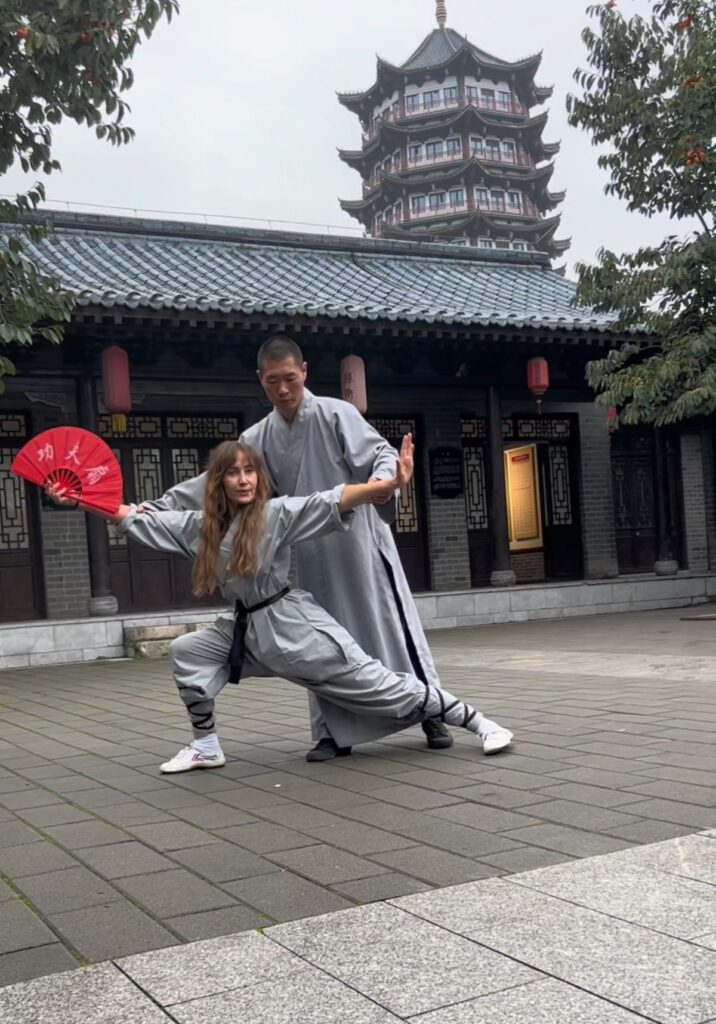
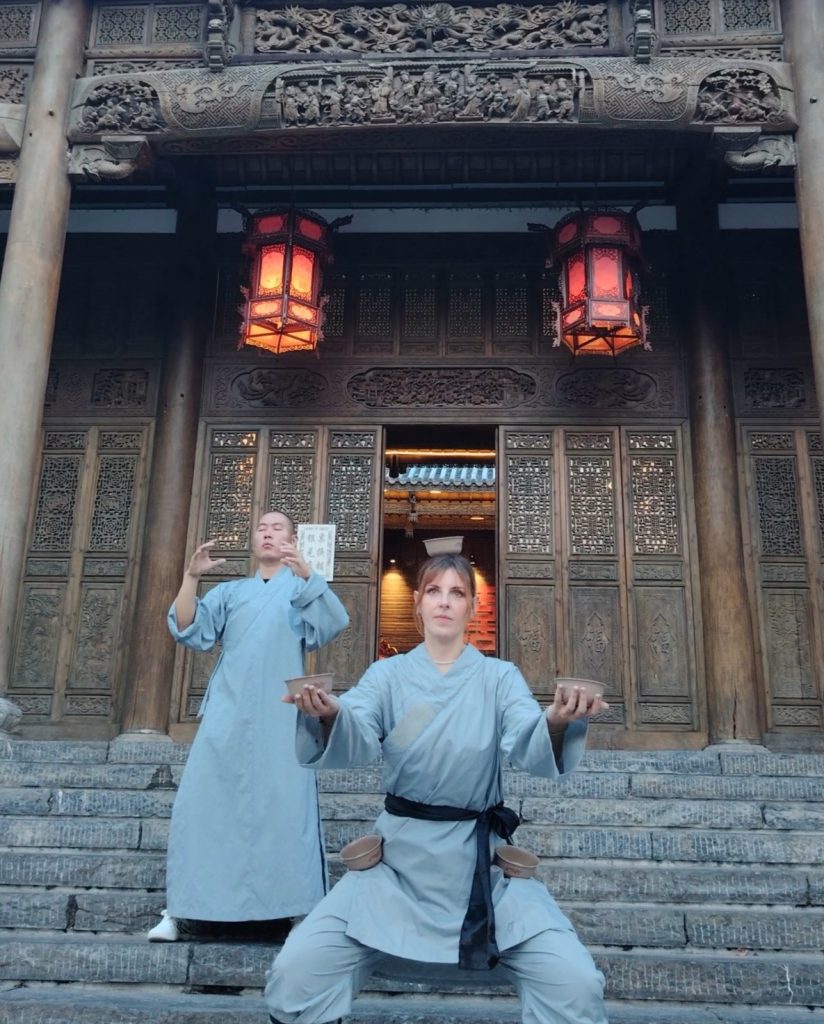
Here is the direct breakdown of the name:
- Shao (少): While this character can mean “few” or “young” in daily language, in this context, it directly refers to Mount Shaoshi (Shaoshishan). This is one of the primary peaks of the famous Songshan mountain range.
- Lin (林): This character translates simply and directly to “forest” or “woods.”
The Combined Meaning
When you put these characters together, the combined meaning becomes incredibly clear: “The temple in the woods of Mount Shaoshi.”
In the linguistic context of ancient Chinese temple foundations, geographic naming was highly common. Monks and founders actively sought out secluded, heavily forested areas for their spiritual sanctuaries. By naming the temple after its exact physical location in the woods, the founders permanently tied the spiritual identity of the temple to the serene, natural environment of the mountain.
Geographic Origins: The Roots in Henan Province
To truly grasp what Shaolin means, we must trace its physical roots back to the dense forests of central China. The environment itself played a massive role in shaping the temple and the legendary culture that grew out of it.
The Power of Mount Song
The Shaolin Temple in Henan sits directly within the Songshan mountain range in Dengfeng. Mount Song is not just standard terrain; it is historically recognized as the central peak of China’s Five Great Mountains. This prime geographical location made it a sacred hub for spiritual seekers centuries ago.
Founded in the Forest (495 AD)
In 495 AD, Emperor Xiaowen of the Northern Wei Dynasty commissioned the temple’s construction. He deliberately bypassed busy cities and chose this specific, serene forest for several key reasons:
- Honoring Batuo: The temple was built specifically as a sanctuary for the Indian monk Batuo (Buddhabhadra) to translate scriptures and preach.
- Total Serenity: The deep woods provided the absolute silence required for intense Buddhist meditation.
- Natural Isolation: The rugged mountain terrain naturally separated the monks from the distractions and politics of the outside world.
The surrounding environment actively forged the temple’s core identity. The demanding mountain conditions required a high level of physical resilience to survive, laying the geographical groundwork that eventually merged deep spiritual focus with legendary physical toughness.
The Philosophical Meaning: More Than Just Martial Arts
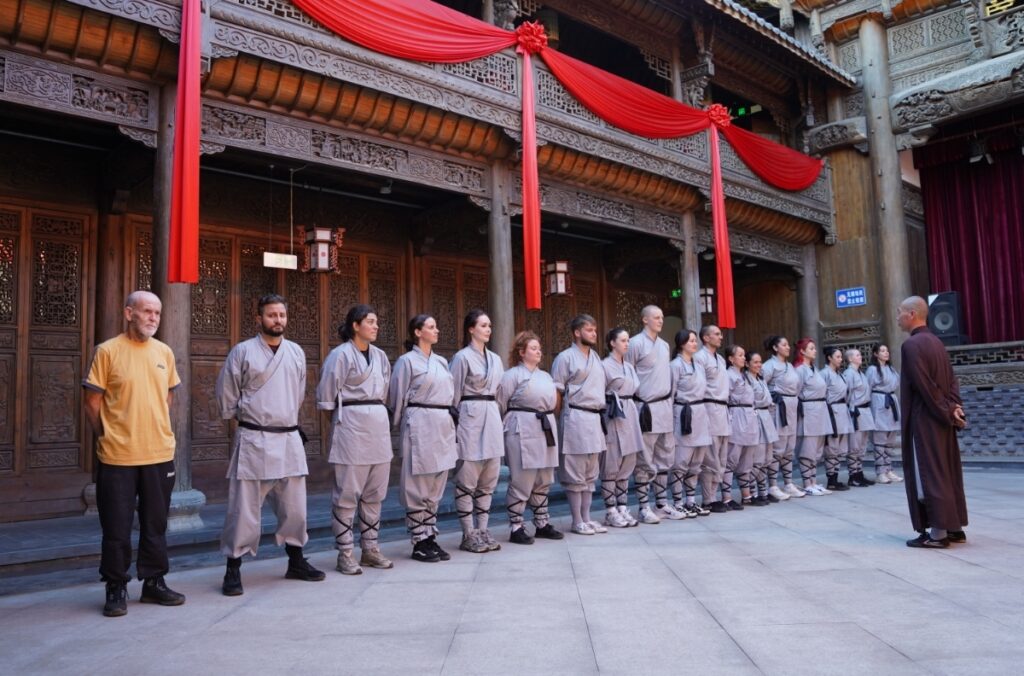
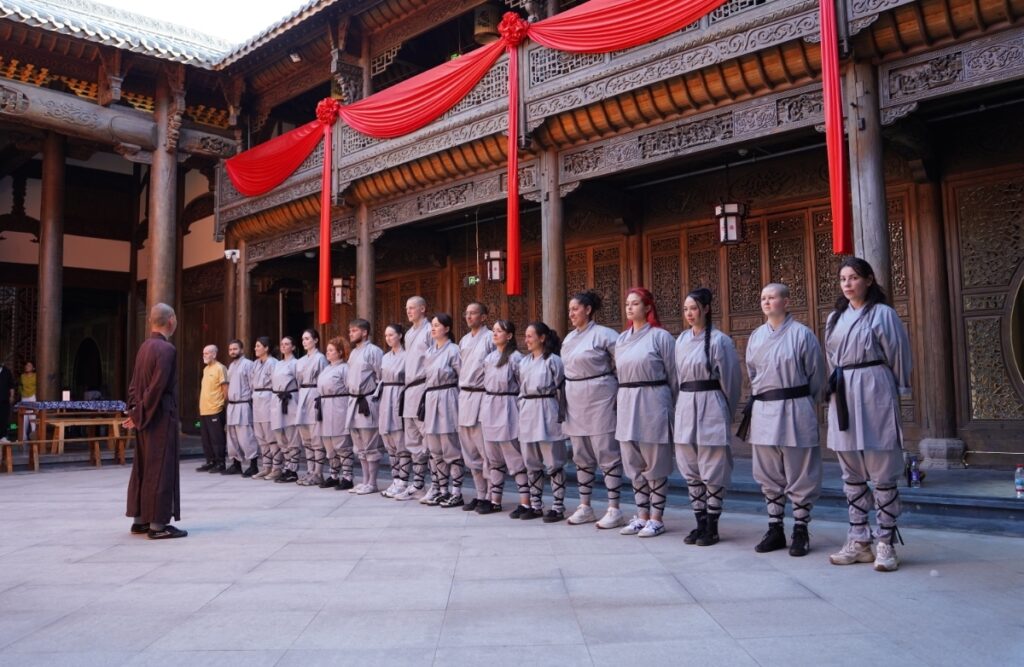
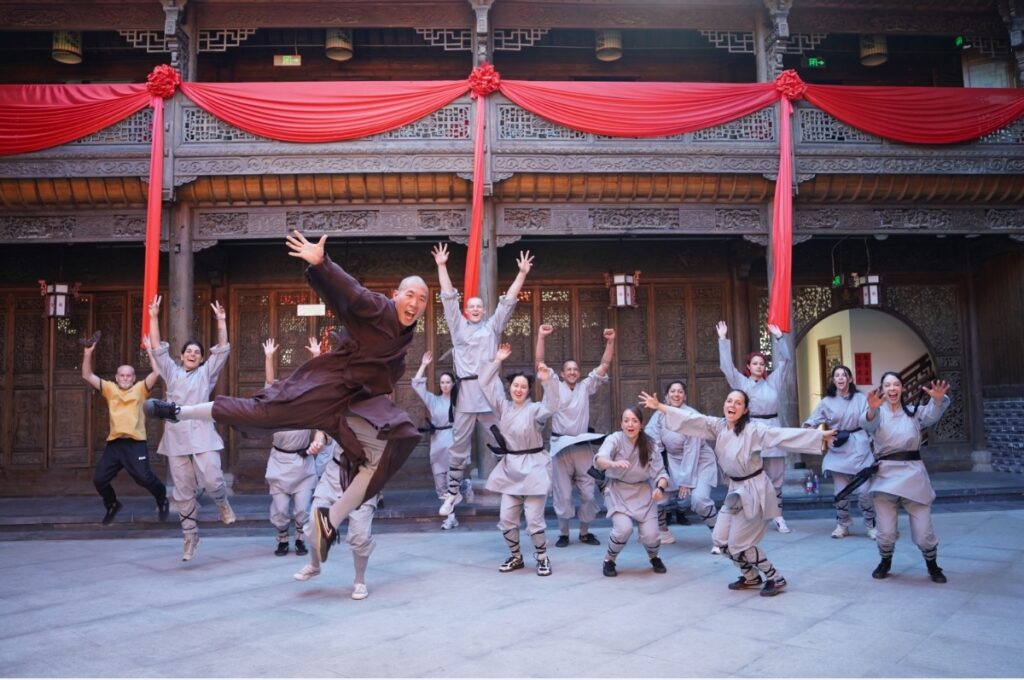
When people ask what does Shaolin mean, they usually picture monks breaking bricks. However, the true meaning goes far deeper than physical combat. Shaolin is the historic birthplace of Chan (Zen) Buddhism. This spiritual foundation was established by the Indian monk Bodhidharma (Damo), who introduced a meditation practice that required intense physical stamina, ultimately leading to the Shaolin Kung Fu origins we recognize today.
The Holy Trinity: Chan Wu Yi (禅武医)
The philosophy of Shaolin rests on three inseparable pillars:
- Chan (Zen Spirituality): Cultivating a calm, focused, and enlightened mind.
- Wu (Martial Arts): Developing physical strength, discipline, and self-defense capabilities.
- Yi (Traditional Medicine): Healing the body, understanding vital energy (Qi), and maintaining long-term physical health.
Together, these elements form a complete way of life. Today, when individuals explore how to join the Shaolin Temple for authentic training, they are actually seeking this exact balance of mind, body, and spirit.
A State of Mind
Over the centuries, the definition of Shaolin evolved from a simple geographic location in the Songshan mountain range into a profound state of mind. Practicing Shaolin means committing to relentless self-improvement, inner peace, and physical mastery. It is no longer just a temple in the woods; it is a globally recognized symbol of ultimate human discipline.
What Shaolin Means in the Modern World
When people ask, “What does Shaolin mean?” today, the answer often gets tangled up with Hollywood movies and pop culture. Modern cinema paints a picture of gravity-defying fighters and mystical warriors. However, the reality of Chinese martial arts culture is far more grounded and deeply philosophical.
Pop Culture vs. Reality
While movies focus on flashy combat, the true meaning of Shaolin is rooted in everyday dedication. We see a clear dividing line between screen fiction and temple reality:
- The Hollywood Myth: Instant mastery, aggressive combat, and supernatural abilities.
- The Temple Reality: Decades of repetitive, grueling practice and deep mental focus.
- The Core Truth: To truly grasp what is the soul of Shaolin culture, you have to look past the entertainment industry and focus on the daily spiritual and physical routines of the practitioners.
A Global Symbol of Discipline
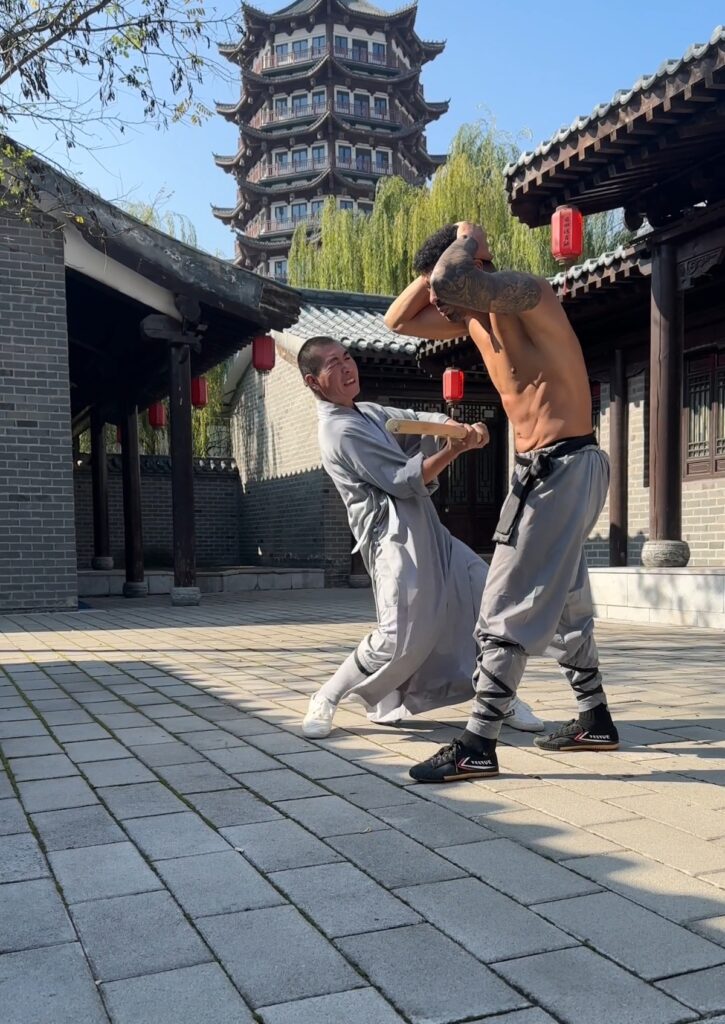
Today, Shaolin stands as the ultimate global symbol of extreme physical and mental discipline. The rigorous Shaolin monks training requires pushing the human body to its absolute limits while maintaining a perfectly calm mind. It is about building unbreakable internal resilience, mastering self-control, and finding peace through exhaustion. It is a lifelong commitment, not a weekend hobby.
Preserving Authentic Traditions
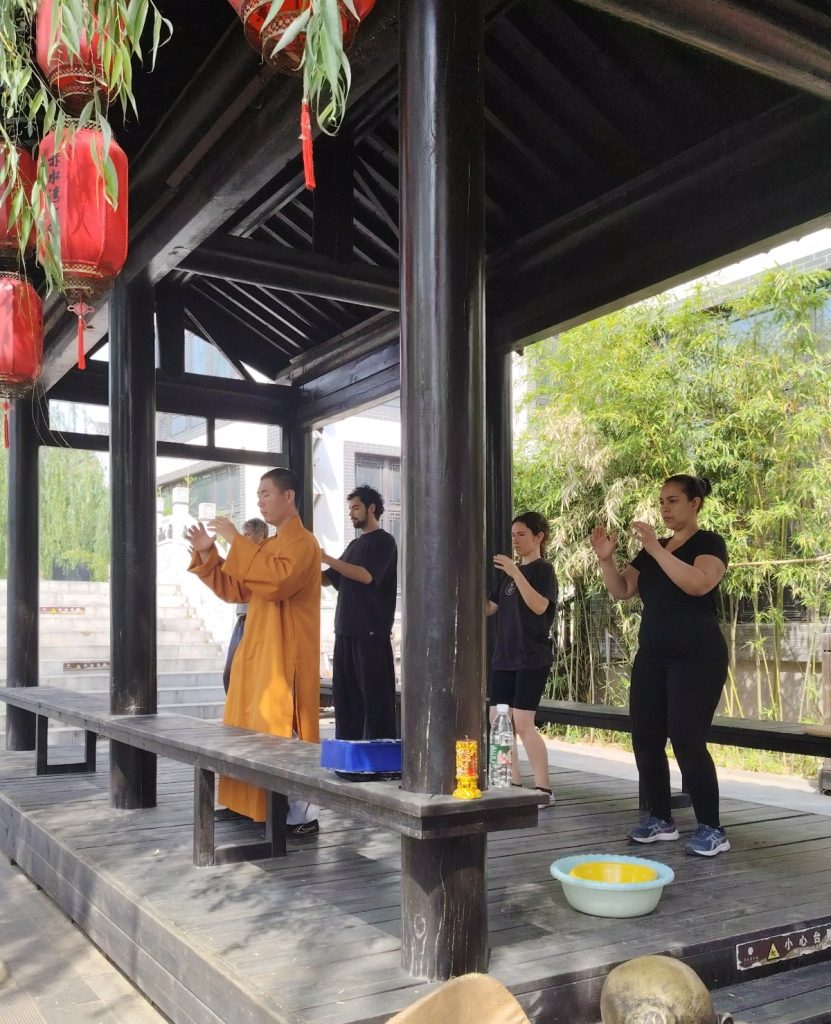
As the world modernizes, keeping the original spirit of Shaolin alive is our top priority. We preserve these ancient methods through dedicated institutions that teach the traditional ways without cutting corners. For those looking to step onto the mats themselves, finding authentic Shaolin training in China is the most direct way to understand the heavy responsibility behind the Shaolin name. These real-world academies ensure that the ancient balance of Zen philosophy and physical conditioning continues to thrive in the 21st century.
Frequently Asked Questions (FAQs) About Shaolin
When people ask “What does Shaolin mean?”, a few common questions always pop up. Here are the clear answers to help you separate fact from fiction.
Does Shaolin mean Kung Fu?
No, the literal translation of Shaolin does not mean Kung Fu. As mentioned, it simply means the temple in the woods of Mount Shaoshi. However, because the monks developed such a highly effective and famous martial arts system over centuries, the name “Shaolin” became synonymous with Chinese martial arts culture globally. Today, if you want to dive into the physical practice yourself, exploring Shaolin Kung Fu classes is the best way to understand how the location gave birth to the fighting style.
What is the difference between Shaolin and Zen?
- Shaolin is a physical location, a historical institution, and an overarching culture that includes martial arts, medicine, and spirituality.
- Zen (Chan) is the specific spiritual philosophy and practice of meditation.
Shaolin is actually recognized as the site of Chan Buddhism origins. Bodhidharma brought these teachings to the temple, meaning Zen is the internal engine that drives Shaolin martial arts, but it is just one piece of the complete Shaolin puzzle.
Are there different types of Shaolin temples?
Yes. While the primary, original temple is located in Dengfeng, Henan province, historical records point to other branches. The most famous is the Southern Shaolin Temple in Fujian province, which served as a refuge and expansion site during ancient times. Today, the global influence of the temple means you can find affiliated cultural centers worldwide. However, if you want the real experience, traveling to the original source for an authentic Shaolin training retreat in China remains the gold standard for dedicated practitioners.