


Kung Fu Retreat China
If you’re looking into a Kung Fu retreat in China, you’re probably wondering: Is this just about learning to kick and punch, or is there something deeper here? The answer is clear—Shaolin Kung Fu is much more than a workout or a “cool” martial art. It’s a complete system for training your body, mind, and character.
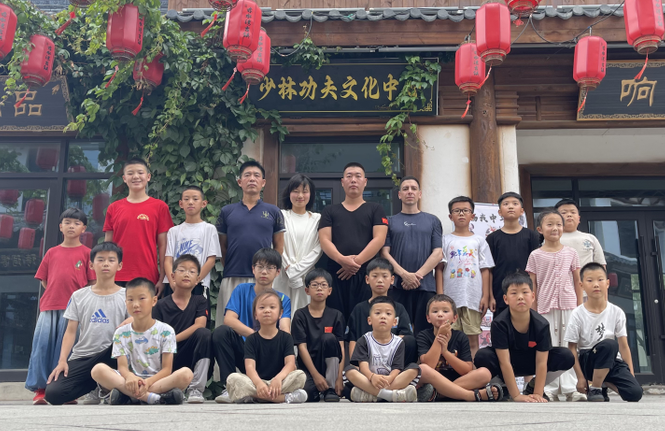
Historical Roots of Shaolin Kung Fu in China
Shaolin Kung Fu comes from the legendary Shaolin Temple in Henan Province, China, on the slopes of Songshan Mountain. For over 1,500 years, Shaolin monks have blended:
- Martial arts training for survival, protection, and discipline
- Chan (Zen) Buddhism for mindfulness and insight
- Qigong and meditation for internal energy and long-term health
When you join an authentic Shaolin Kung Fu retreat in China, you’re not just joining a “martial arts camp.” You’re stepping into a living tradition that has shaped warrior monks, healers, and spiritual practitioners for centuries.
Core Principles: Body, Mind, and Ethics
Shaolin Kung Fu training is built around three core pillars:
- Physical training
- Stances, kicks, punches, forms (taolu), and sometimes weapons
- Strength, flexibility, balance, and coordination
- Shaolin staff training and traditional Chinese Kung Fu forms at higher levels
- Mental focus
- Breath control, Qigong breathing exercises, and moving meditation
- Staying calm under pressure, even when training is intense
- Learning to focus on one movement, one breath, one moment
- Ethical discipline
- Respect for teachers, training partners, and yourself
- Consistency, humility, and responsibility
- A quiet confidence instead of ego or aggression
At a serious Shaolin Kung Fu retreat, your progress isn’t just measured by how high you can kick, but by how you show up: your focus, your attitude, and your willingness to push through challenges.
Health and Wellness Benefits of Shaolin Kung Fu and Qigong
From a wellness perspective, Shaolin Kung Fu and Qigong are extremely practical and relevant, especially if you’re coming from a high-stress, desk-heavy lifestyle in the US:
- Physical benefits
- Stronger legs, core, and back from low stances and repeated drills
- Better posture and mobility from dynamic stretching and kicks
- Increased stamina and cardio from forms and conditioning
- Mental and emotional benefits
- Reduced stress and anxiety through regular Qigong and meditation
- Clearer focus and better sleep from consistent daily routine
- A grounded, steady mood instead of constant mental noise
- Long-term wellness
- Qigong and Tai Chi elements support joint health and circulation
- Internal energy cultivation helps balance fatigue and burnout
- Many people notice less tension in the neck, shoulders, and lower back
This is why Kung Fu retreats in China are now part of the broader China wellness retreat trend—people want real, sustainable tools, not just a week of spa treatments.
Why Traditional Kung Fu Still Matters Today
In modern life, with screens, constant notifications, and endless sitting, traditional Shaolin Kung Fu is incredibly relevant. It gives you:
- A structured daily rhythm that resets your body clock
- A physical practice that demands your full attention
- A philosophy that values patience, discipline, and self-mastery
For many guests who come to our Shaolin Kung Fu retreat from the US, the biggest shift isn’t just getting fitter—it’s realizing they can handle more than they thought, mentally and physically. The old-school discipline, the monastic-style routines, and the Chan Buddhist mindset bring something most modern gyms and fitness holidays simply don’t offer: a chance to rebuild how you live, not just how you look.
Traditional Shaolin Kung Fu still matters because it answers modern problems—stress, distraction, burnout—with timeless tools: movement, breath, focus, and a clear code of how to carry yourself in the world.
What to Expect at a Kung Fu Retreat in China
Joining a Kung Fu retreat in China isn’t a vacation where you just watch monks train. You’re in it. You live clean, train hard, and reset your mind and body in a place that actually supports that lifestyle.
A Typical Daily Training Schedule
Shaolin Kung Fu Retreat Experience in China
A Shaolin Kung Fu retreat in China is part training camp, part wellness reset, and part cultural deep dive. I design programs so people from the U.S. can drop in, train hard, but also feel safe, supported, and comfortable from day one.
Key Features of a Shaolin-Style Kung Fu Retreat
At a solid Shaolin-style retreat, you can expect:
- Daily Shaolin Kung Fu training with experienced masters (basics, forms, conditioning, flexibility)
- Qigong and meditation sessions for breathing, focus, and recovery
- Optional weapons training like staff and sword, depending on your level
- Structured routine that blends physical intensity with real downtime
- Clear instruction for foreigners, usually in English or with translators
If you want a more intensive program, I’d look at a dedicated Shaolin Temple training school that’s used to hosting guests from abroad, like this type of long- and short-term Kung Fu training in China.


Vegan and Healthy Meals at Kung Fu Retreats
Nutrition is simple, clean, and built around training:
- Mostly plant-based Chinese dishes (lots of vegetables, rice, tofu, soups)
- Vegan and vegetarian options are common, especially at more traditional or temple-oriented retreats
- Light breakfasts, larger lunches, and moderate dinners timed around training
- Minimal sugar, minimal processed food, almost no alcohol
The idea is to support energy, recovery, and digestion, not weigh you down.
Sample Retreat Programs and Stay Durations
I usually recommend people from the U.S. choose based on goals and schedule:
- Short-term Kung Fu retreat (3–7 days)
- Great if you’re traveling through China and want a taste of Shaolin life
- 1–2 Kung Fu sessions per day + Qigong/meditation
- One- to four-week Kung Fu retreat
- Best for beginners and intermediates who want real progress
- Full daily schedule: morning conditioning + Kung Fu, afternoon forms/weapons, evening Qigong
- Long-term Shaolin warrior training (1–6+ months)
- For serious students wanting deep skill, discipline, and lifestyle change
- Structured like a Chinese martial arts camp, with steady progression and grading
If you’re aiming for an authentic Kung Fu school in China that accepts foreigners, schools like those highlighted as the best Kung Fu schools in China for foreigners are usually the right fit.
Kung Fu Retreat China: Cultural and Wellness Immersion
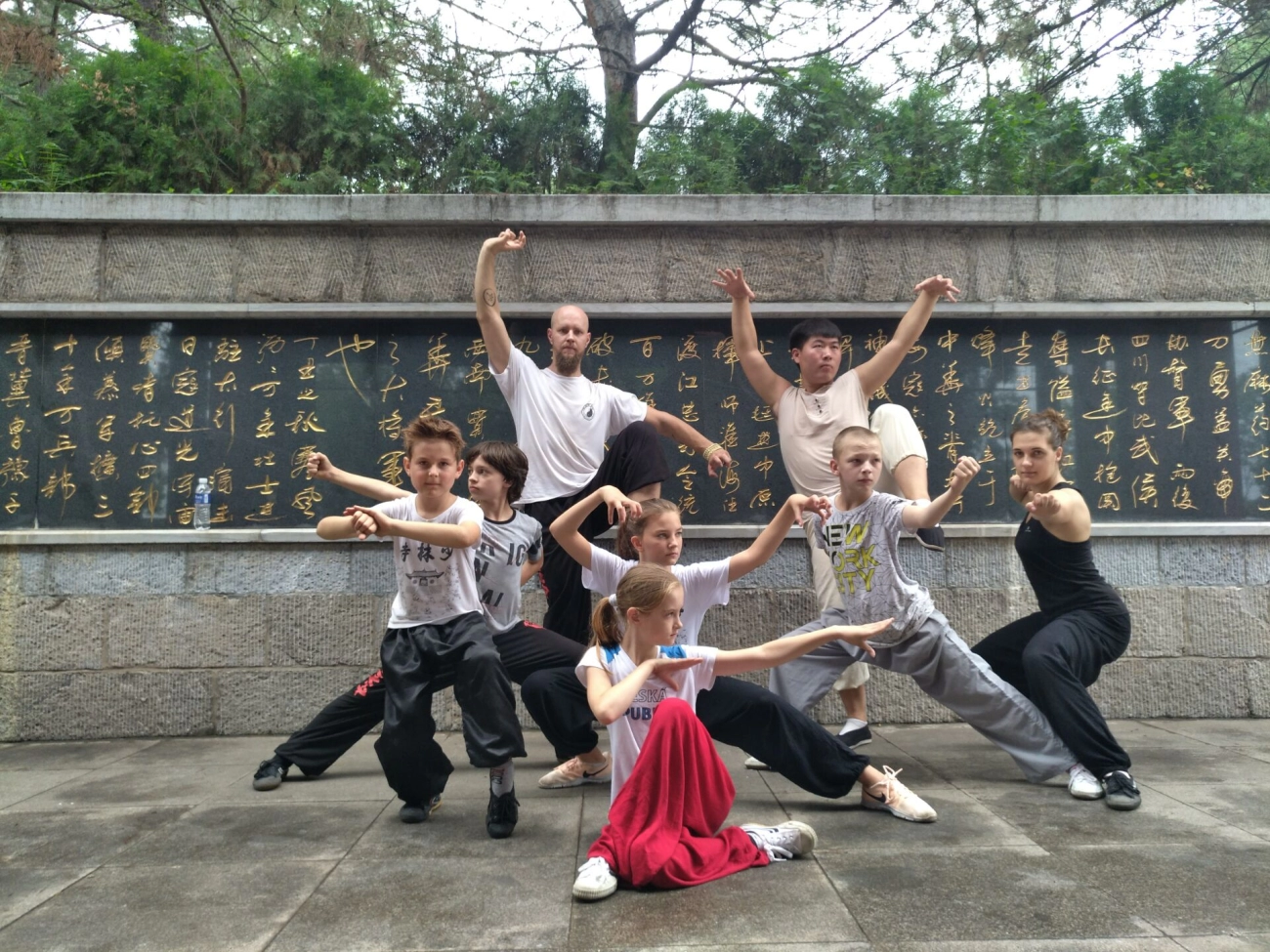
Nature hikes and temple visits
At a Kung Fu retreat in China, the training isn’t just on the mat. You’re usually based near mountains, forests, or temples, so it’s easy to get outside and reset. Expect:
- Guided nature hikes on trails around places like Songshan Mountain or other temple ranges
- Sunrise or sunset walks to practice Qigong breathing and mindfulness outdoors
- Temple visits where you can quietly observe monks chanting, light incense, and get a feel for real Chan (Zen) Buddhist culture
For most of our American guests, this mix of training plus low-key cultural travel feels like a reset button—no rush, no sightseeing checklist, just deep immersion at a slower pace.
Traditional Chinese Medicine and recovery
Hard Kung Fu training demands smart recovery. Most Kung Fu retreats in China build in Traditional Chinese Medicine (TCM) support so you don’t burn out:
- Acupuncture and cupping for muscle soreness, joint pain, and better sleep
- Herbal teas and external liniments to ease inflammation and support recovery
- Qigong and breathing exercises to balance “internal energy” so your body recovers faster
Many guests combine training with a short China wellness retreat focus—2–3 TCM sessions per week is usually enough to feel the difference, especially if you’re not used to daily training.
Community, shared meals, and connection
You’re not just training alone; you’re living in a small, focused community:
- Shared dorms or simple private rooms with other students from the US and all over the world
- Family-style meals at big tables, where you swap stories, talk progress, and get tips from longer-term students
- Group meditations and evening talks, which make it easier to stay motivated and grounded
Most people come for the Shaolin Kung Fu training but stay longer (or come back) for the community feel—it’s easy to make real friends when you sweat, eat, and learn together every day.
Best seasons to join a Kung Fu retreat in China
You can train year-round, but if you’re coming from the United States and want the most comfortable weather, I usually recommend:
- Spring (March–May): Mild temps, fresh air, great for first-timers
- Fall (September–November): Cool, clear, and ideal for outdoor Kung Fu, Tai Chi, and hiking
- Summer (June–August): Hot and humid but perfect if you like intense “Kung Fu bootcamp” vibes
- Winter (December–February): Quiet, colder, more monastic feel—good for serious Chan Buddhism and Qigong focus
If you’re trying to line up your dates with holidays and visa timing, it’s worth checking this overview of the best time to visit China and learn Kung Fu at our Shaolin Temple–based programs: vacation timing for Kung Fu in China.
Planning Your Kung Fu Retreat in China
Getting to Major Kung Fu Retreat Centers in China
For most US travelers, the easiest route is:
- Fly into a major hub like Beijing, Shanghai, Guangzhou, or Hong Kong.
- From there, connect by high-speed train or domestic flight to the nearest city to your Kung Fu retreat (for Shaolin Temple, that’s usually Zhengzhou in Henan Province).
- Use Gaotie (high-speed rail) to reach cities near Songshan Mountain or other temple regions, then take a pre-arranged pickup or local taxi organized by the retreat.
If you’re new to China travel, I strongly recommend choosing a Kung Fu school that coordinates transfers from the nearest airport or train station. Many schools that offer Shaolin Kung Fu training for foreigners already have this process dialed in and lay it out clearly when you book.
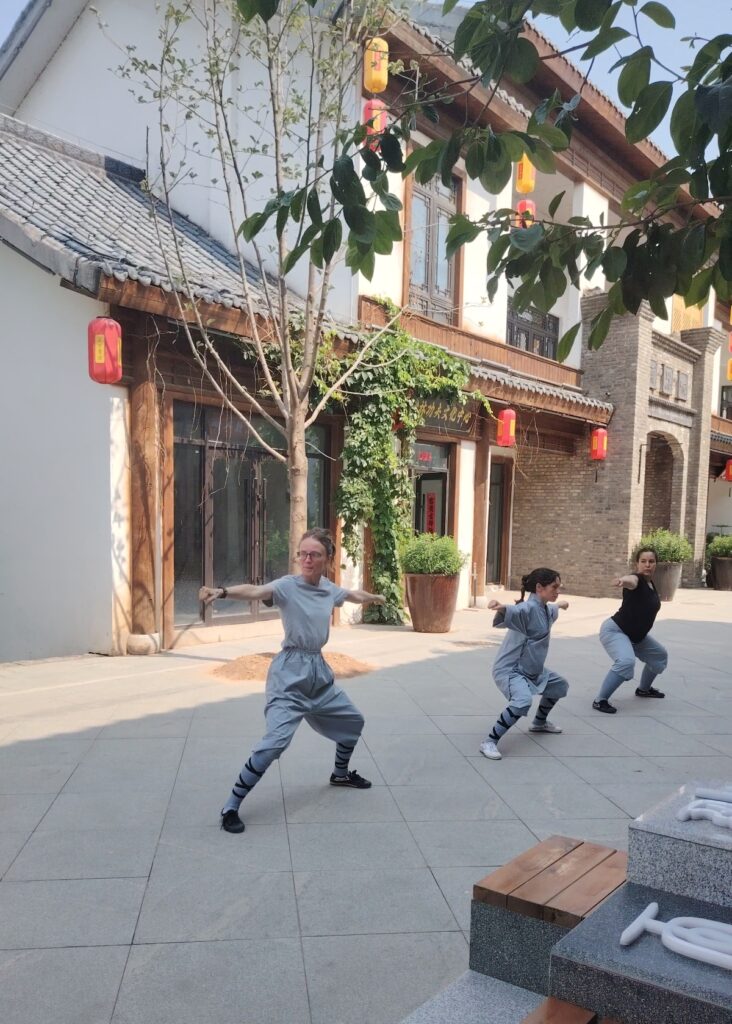
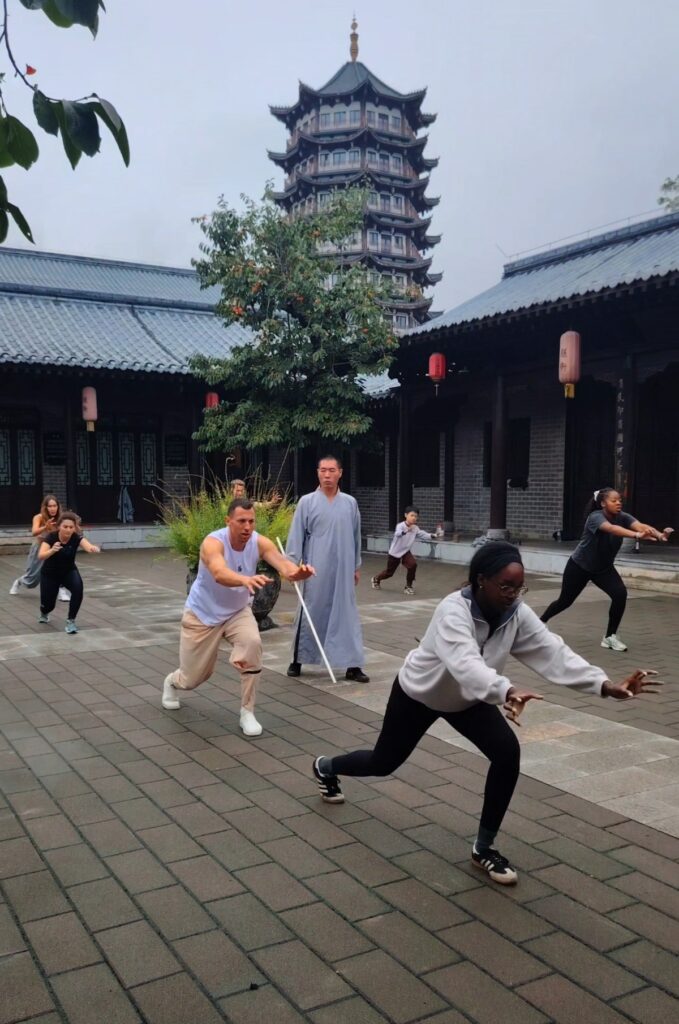
Visa Basics and Travel Documents
If you’re coming from the US, you’ll almost always need:
- A Chinese tourist visa (L visa) or sometimes a student/short-term study visa, depending on how long you’re training.
- A passport with at least 6 months validity and blank pages.
- Round-trip flight details and a confirmation letter from the Kung Fu retreat (many schools provide an official invitation or enrollment letter to support your visa application).
Check with your local Chinese consulate or a trusted visa agency well in advance. For stays longer than 30–60 days, confirm with the school whether you need a specific study-based visa and ask them for the exact documents they can provide.
Retreat Costs, Inclusions, and Extras
Kung Fu retreat prices in China are usually packaged per day, week, or month and often include:
- Accommodation (shared or private rooms)
- Daily training: Kung Fu basics, forms, sometimes Tai Chi and Qigong
- Meals (often simple, healthy, sometimes fully vegetarian or vegan)
Typical extra costs you should budget for:
- International and domestic flights/train tickets
- Visa fees
- Travel insurance
- Massage, Traditional Chinese Medicine, or acupuncture sessions
- Extra private lessons, weapons training, or gear
If you want a feel for what’s usually included in structured training, look at how a Kung Fu basics program is broken down at a serious school; it’ll give you a good benchmark for what you should be getting for your money.
Booking Steps, Cancellations, and Pre-Trip Prep
Here’s the simplest flow most of our US students follow:
- Choose your dates and length of stay (1–2 weeks for a first-timer is common; a month+ if you’re serious).
- Apply or inquire through the retreat’s website with your experience level, health info, and goals.
- Get a confirmation + invoice and pay a deposit (often non-refundable but transferable).
- Use the official confirmation letter for your visa application.
- Book your flights and trains after your visa is approved or once the school confirms your spot.
Before you pay anything, ask clearly about:
- Cancellation and reschedule policies (especially if flights get changed)
- Refund rules for deposits vs. full payments
- What to pack: shoes, training clothes, medicines, adapters, etc.
Safety, Language Support, and On-Site Assistance
Most serious Kung Fu retreat centers that work with international students are set up to make things smooth for English speakers:
- At least one English-speaking coach or coordinator on-site
- Pick-up service from the nearest train station or airport
- Clear house rules, training guidelines, and schedules in English
- Help with hospital visits or clinics if you get injured or sick
For your own safety and comfort:
- Get travel insurance that covers martial arts, training injuries, and medical evacuation.
- Let the school know about any injuries, health issues, or medications before you arrive.
- Save emergency contacts, the retreat’s phone number, and your hotel/retreat address in both English and Chinese on your phone.
If the school is used to training foreigners, they’ll already have a system to help you settle in fast, handle culture shock, and get you focused on what you came for: training, recovery, and real Shaolin-style Kung Fu experience.
Real Stories from Kung Fu Retreat China Travelers
Why People Book a Kung Fu Retreat in China
From what I see most often, guests come to a Shaolin Kung Fu retreat in China for a few clear reasons:
- They’re burned out from work and want a full reset, not just another beach vacation.
- They’ve always been curious about authentic Shaolin Kung Fu training in China, not watered‑down gym classes.
- They want a structured way to build discipline, confidence, and inner calm.
- Some come after a tough life event—breakup, job change, loss—and use the retreat as a new chapter moment.
A lot of U.S. travelers tell me they’re tired of being “stuck in their head” and want something physical, real, and rooted in tradition.
Mindset Shifts and Emotional Breakthroughs
When you’re training daily—Kung Fu basics, forms, Qigong breathing, sometimes meditation—the mental shifts are huge:
- You stop obsessing over work, social media, and what everyone thinks of you.
- You learn to sit with discomfort instead of quitting the moment something feels hard.
- You start seeing discipline as freedom, not punishment.
- Many people report emotional releases—crying after training, or during quiet Qigong—because the body finally relaxes enough to let things go.
The mix of Chan (Zen) style mindset, repetition, and deep focus is what cuts through mental noise. For some guests, that’s more powerful than any self-help book or podcast.
Physical Results: Strength, Flexibility, Stamina
Even on a short-term China martial arts retreat, the physical changes show up fast if you commit:
- Strength: Leg strength from stance work, core and upper body from conditioning and basics.
- Flexibility: Daily stretching, especially hips and hamstrings, makes kicking and low stances feel easier.
- Stamina: After a week or two, most guests are shocked they can handle multiple Kung Fu, Tai Chi, and Qigong sessions a day.
Longer stays bring bigger changes—better posture, faster recovery, and more body awareness in every movement. If you want a sense of what structured training feels like, check out how we build flexibility and relaxation into beginner-friendly Taijiquan programs at our temple-style school: Beginners Taijiquan – From Rigidity to Flexibility.
Keeping Up Kung Fu and Qigong at Home
The real win is what happens after you fly back to the States. Most retreat guests stay consistent by:
- Doing a 15–30 minute daily routine of basic stances, simple kicks, and Qigong breathing.
- Using video recordings of forms they learned so they can repeat them at home.
- Bringing retreat habits back: earlier sleep, cleaner eating, and short Qigong meditation sessions when stress spikes.
- Finding a local Kung Fu, Tai Chi, or Qigong class, or training solo a few times a week.
The goal isn’t to become a monk overnight. It’s to use what you learned at a Kung Fu retreat in China to build a more focused, stronger, calmer version of your everyday life at home.