


When you hear Shaolin, what comes to mind?
Flying monks? Movie-style Shaolin Kung Fu? Secret techniques hidden in a mountain monastery?
The truth is far more powerful—and more practical.
Real Shaolin is a living fusion of Chan Buddhism, rigorous Chinese martial arts, and daily discipline at the historic Shaolin Temple Henan on Songshan Mountain. It’s a complete path: body, mind, and spirit, forged over 1,500 years by Shaolin monks and Shaolin warrior monks.
In this guide, you’ll cut through the myths and see what Shaolin really is:
authentic Shaolin Monastery history, the core principles behind Shaolin Kung Fu, how Qigong Shaolin and Zen meditation Shaolin actually work, and what genuine authentic Shaolin training looks like today at Shaolin Temple Center China.
If you’re serious about traditional Kung Fu in China—not just watching, but experiencing real Shaolin forms, culture, and training on Mount Song Shaolin—you’re in the right place.
What “Shaolin” Really Means Today
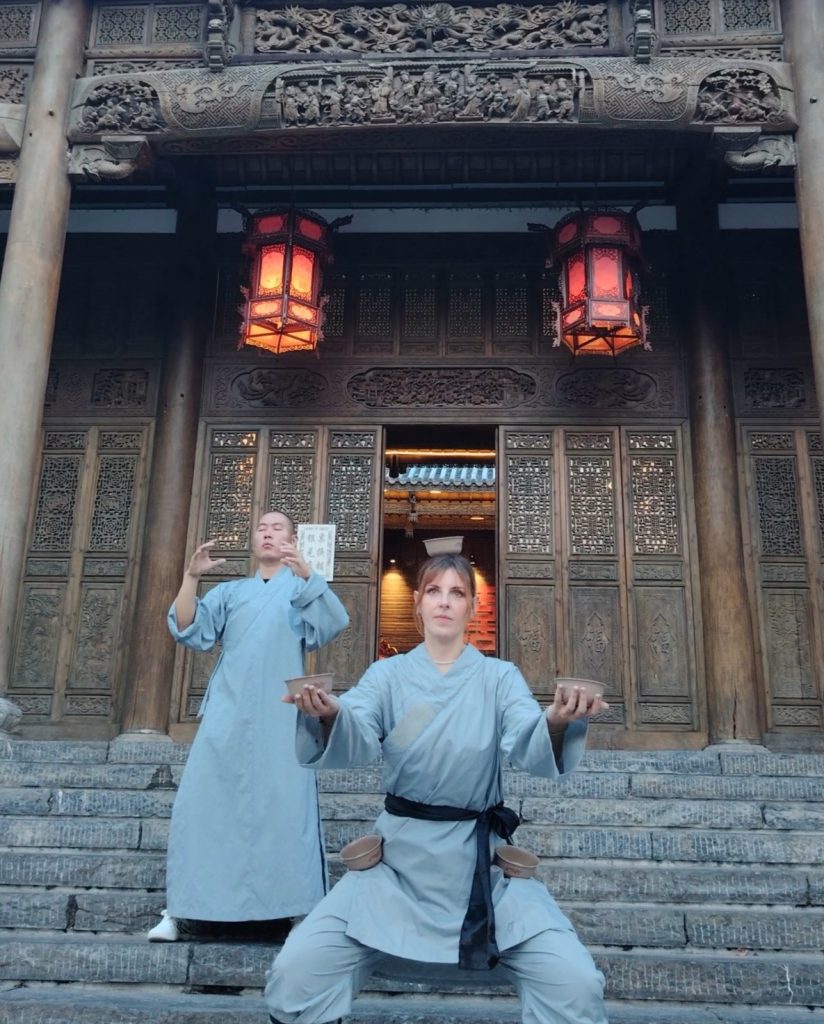
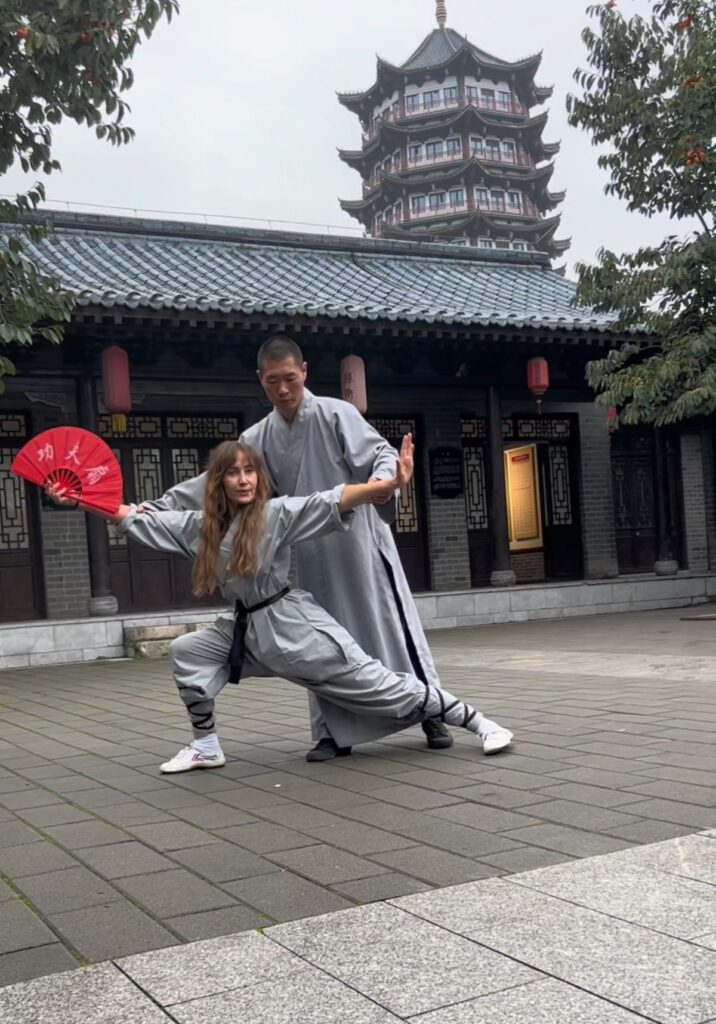
When people in the US type “Shaolin” into Google, they’re usually not looking for an academic definition of Shaolin Si (Shaolin Temple). They’re searching for something deeper:
- Ancient Chinese wisdom that still works in modern life
- Real Shaolin Kung Fu training, not just movie choreography
- A way to reset their body, mind, and habits with something authentic
At its core, Shaolin refers to the historic Shaolin Monastery on Songshan Mountain in Henan, China—a Buddhist temple known worldwide for Chan (Zen) Buddhism and Shaolin Kung Fu. But online, “Shaolin” has become a shortcut word for:
- Discipline and warrior mindset
- High-level traditional Kung Fu and Qigong
- A simpler, more focused lifestyle away from distractions
When you search “Shaolin,” you’re usually asking: “Where can I find the real thing—and how do I experience it without getting scammed?”
Shaolin Temple Henan vs Generic “Shaolin Kung Fu” Schools
One major confusion I see all the time:
“Is every Shaolin Kung Fu school actually connected to the real Shaolin Temple in Henan?”
The answer: absolutely not.
Shaolin Temple Henan / Shaolin Monastery (Shaolin Si):
- The original temple on Songshan Mountain, Henan Province
- A living center of Chan Buddhism and traditional Shaolin martial arts
- A mix of monks, warrior monks, and long-term disciples
- Deep focus on forms, Qigong, meditation, discipline, and culture
Generic “Shaolin Kung Fu” schools (worldwide):
- May have zero real lineage to Shaolin Temple Henan
- Often focus on performance wushu, flashy moves, and shows
- Marketed heavily to tourists and beginners using the Shaolin brand
- Sometimes run by ex-performers, not by monks or real disciples
When I build or recommend Shaolin-style training programs, I always anchor them on:
- Authentic Shaolin principles (Chan, Qigong, real conditioning)
- Clear lineage or real training experience in China
- No fake “monk” costumes, no mystical nonsense—just disciplined work
If a school can’t clearly explain its connection to Shaolin Temple Henan, treat it as a commercial school first and “Shaolin” only in name.
How Movies and Social Media Distort Shaolin Expectations
Most Americans meet Shaolin through movies, YouTube, TikTok, and Instagram. That creates some powerful—but often misleading—expectations.
What pop culture shows you about Shaolin:
- Jet Li in “Shaolin Temple” flying through the air
- Monks breaking bricks, bending spears on their throats
- Superhuman “internal power” and secret death techniques
- Instant flexibility and crazy jumps after a few months
What real Shaolin-influenced training looks like:
- Repetitive basics: stances, kicks, footwork, forms, conditioning
- Qigong and breathing that feel subtle, not magical
- Meditation that’s more about focus and stability than “enlightenment in a weekend”
- Progress measured in years, not viral videos
Social media pushes short, dramatic clips—not the boring, hard, daily grind that creates real Shaolin skill. When I design or recommend authentic Shaolin Kung Fu training, I assume you’ve been influenced by movies and reels, so I always clarify:
- Yes, you can get stronger, faster, calmer, and more disciplined
- No, you won’t become a wire-fu movie monk in 30 days
- Yes, if you commit, Shaolin principles can reshape your body, your energy, and your mindset in a very real way
Understanding the gap between Shaolin Temple Henan reality and Shaolin pop culture is the first step to choosing training that actually fits your goals—and doesn’t just look good on camera.
Shaolin Temple Henan history
Shaolin Temple Henan (Shaolin Si) sits on Songshan Mountain in Dengfeng, and its story goes way beyond cool Kung Fu clips on social media.
Founding of Shaolin Monastery in 495 AD
Shaolin Monastery was founded in 495 AD under Northern Wei Emperor Xiaowen, who invited the Indian monk Batuo to China to teach Buddhism. The temple was built on the northern slope of Songshan Mountain, a key sacred site, and quickly became one of the most important Buddhist monasteries in North China.
Batuo, Bodhidharma, and Chan (Zen) Buddhism
Batuo focused on translation and teaching, but the Shaolin legends most people know in the US come from Bodhidharma (Damo). He’s credited with bringing Chan (Zen) Buddhism to Shaolin, stressing:
- Direct experience over book learning
- Meditation as the core of practice
- Mind–body training as one path to awakening
Over time, this mix of meditation, strict discipline, and physical training evolved into the unique Shaolin Chan culture known today. If you want a deeper dive into how this shaped real monks’ practice, I explain it more in this breakdown of Buddhism and Shaolin monks’ daily life.
Shaolin through dynasties: war, decline, and revival
Across Chinese dynasties, Shaolin Temple Henan moved through cycles of glory and destruction:
- Sui/Tang: Shaolin monks gained fame for military support, especially the “thirteen staff monks” legend.
- Ming/Qing: The Shaolin warrior monks’ martial arts matured; the temple became a major martial and Buddhist center.
- Late Qing/Republican era: Repeated wars and political chaos damaged the temple and scattered monks.
- 1928 fire: A warlord attack burned large parts of the monastery and its library.
- 20th century: Political shifts brought further decline, then a gradual revival starting in the 1980s.
Since then, Shaolin Temple Henan has rebuilt itself as both a living monastery and the global symbol of traditional Chinese martial arts heritage.
Pagoda Forest, ancient halls, and UNESCO heritage at Mount Song
At the foot of Shaolin Si, the Pagoda Forest holds hundreds of brick and stone stupas for high-ranking monks from different eras. These pagodas, together with ancient halls, stone tablets, and the broader Mount Song Shaolin area, are part of the UNESCO-listed “Historic Monuments of Dengfeng”, recognized for their deep influence on Chinese religion, philosophy, and martial culture.
For students and travelers coming from the US, this matters because you’re not just training in “a Kung Fu school” – you’re stepping into a living historical site where Chan Buddhism, Shaolin Kung Fu, and Chinese culture have grown together for over 1,500 years. If you’re thinking of studying near the original temple with structured programs for foreigners, I run programs through Shaolin Temple Center China with on-site training in Henan.
Chan Buddhism and Shaolin
What Chan (Zen) Buddhism Really Means at Shaolin
At Shaolin Temple Henan (Shaolin Si), Chan Buddhism isn’t abstract philosophy. It’s “Buddhism lived through action.” In the Shaolin context, Chan means:
- Direct experience over theory – less debate, more practice.
- Awakening in daily life – enlightenment is found in training, cleaning, eating, not just on a cushion.
- Non-duality – no hard line between “spiritual practice” and “Shaolin Kung Fu training.” It’s all one path.
This is why Shaolin monks say: “Chan and Kung Fu are one.” Meditation, movement, and morals are treated as a single system, not separate hobbies.
How Meditation, Mindfulness, and Kung Fu Connect
At Mount Song Shaolin, meditation and martial arts are tightly linked:
- Sitting meditation (Zuo Chan) builds focus, calm, and awareness of breath.
- Moving meditation (forms, Qigong, weapons) trains you to keep that same awareness while the body is under stress.
- Mindfulness in combat (Sanda, drills) means reading distance, timing, and emotion in real time without panic.
In authentic Shaolin Kung Fu training, you learn to:
- Watch your breath while kicking, punching, and holding stances.
- Notice thoughts and fear rise, but not get pulled around by them.
- Snap from stillness to explosive power, then back to stillness.
That’s Chan in action: the mind stays steady whether you’re sitting, walking, or fighting.
Key Chan Concepts That Shape Shaolin Training
Shaolin monks’ routines are built around a few core Chan ideas:
- “Yi dao, qi dao, li dao” – Where the mind goes, energy goes, then power goes. Every punch starts with intention.
- Wu nian (no clinging to thoughts) – Don’t get stuck on mistakes, pain, ego, or showing off. Finish the form.
- Jing (quiet), Ding (stability), Hui (insight) – First calm the mind, then stabilize it, then see clearly. Daily training follows this ladder.
- Discipline as compassion – Hard training isn’t punishment; it’s a way to cut through laziness and confusion.
If you want a deeper look at how these Chan concepts show up in real monk routines, I break down Shaolin monks’ daily life and mindset in detail in my guide on how Shaolin monks train and live today.
At Shaolin Temple Center China, I keep Chan at the center of our programs: every form, every Qigong line, every Shaolin drill is taught as meditation in motion, not just a workout.
What Is Shaolin Kung Fu?
Shaolin Kung Fu is a full-body martial arts system born at Shaolin Temple Henan (Shaolin Si) on Songshan Mountain. It’s not just fighting techniques. It’s a mix of combat skills, Chan (Zen) mindset, Qigong, and strict discipline. When people from the US say they want “real Shaolin,” they usually mean this: traditional forms, hard training, and a deeper purpose than just working out.


Core Principles of Shaolin Kung Fu
At its core, Shaolin Kung Fu training follows a few key ideas:
- Hard outside, soft inside – Strong muscles and bones, but a calm, flexible mind.
- Form + application – Every movement in a form (taolu) must be usable in real fighting.
- Speed, power, precision – Strikes are fast, sharp, and fully committed.
- Rooted stance – Low, stable stances for balance, power, and leg strength.
- Mind leads the body – Focus and intention drive every kick, punch, and step.
This is why authentic Shaolin training feels very different from a casual cardio kickboxing class. It’s methodical and demanding.
Internal Energy, Qigong, And External Power
Shaolin doesn’t separate “internal” and “external” — you train both:
- Shaolin Qigong practice builds breathing, posture, and energy control.
- Static and dynamic Qigong strengthen tendons, joints, and the nervous system.
- External drills (kicks, punches, conditioning) toughen the body for impact.
You learn to coordinate breath, core, and movement, so power comes from the whole body, not just arms or shoulders. This internal–external mix is what gives Shaolin its snap, speed, and endurance.
Animal Styles, Weapons, And Classic Shaolin Forms
Traditional Shaolin forms and routines are based on nature, strategy, and battlefield needs:
- Animal styles – Tiger (power), Crane (balance), Snake (precision), Leopard (speed), Dragon (spirit).
- Weapons training – Staff (the “first” Shaolin weapon), straight sword, broadsword, spear, and more.
- Classic forms – Sets like Xiao Hong Quan and Da Hong Quan train structure, power, and fighting concepts.
At Shaolin Temple Center China, students move from basics to classic forms, then into higher-level combinations and weapons as they progress. If you want a sense of long-term progression, reading about the highest levels of Shaolin Kung Fu mastery can help you understand where this path leads: advanced Shaolin Kung Fu levels explained.
Shaolin Sanda And Real-Life Self-Defense
Modern Shaolin Sanda fighting takes traditional techniques and pressure-tests them:
- Striking – Punches, kicks, and knees with real timing and distance.
- Throws and sweeps – Using balance breaks and footwork to take opponents down.
- Sparring – Controlled contact so you learn to stay calm under pressure.
For real-world self-defense, Shaolin focuses on:
- Fast, simple counters
- Protecting vital areas
- Getting out of danger quickly
If you’re from the US and want something that’s both practical for self-defense and deeply traditional, a structured Shaolin Kung Fu experience in China that blends forms, Sanda, and Qigong—like a focused multi-week camp at Shaolin Temple Center China—usually delivers the best balance of realism and tradition: Shaolin Kung Fu training experience in China.
Shaolin monks daily life on Songshan Mountain
Shaolin monks at Shaolin Temple Henan (Shaolin Si) live on a tight schedule that looks nothing like a casual “martial arts retreat.” Their routine is built around Chan (Zen) Buddhism, Shaolin Kung Fu training, and simple temple life.
Typical Shaolin monk daily schedule
A standard day on Songshan Mountain usually follows a pattern like this:
- 4:30–5:30 a.m. – Morning bell & meditation
- Wake before sunrise
- Silent sitting meditation and chanting
- Short walking meditation around the temple courtyards
- 6:00–8:00 a.m. – Basics, forms, and conditioning
- Shaolin basics: stances, kicks, footwork, jumps
- Hand forms like Xiao Hong Quan or Lohan routines
- Hard conditioning: stance holds, body strengthening, running
- 8:00–9:00 a.m. – Simple breakfast & chores
- Plain vegetarian meal (rice, steamed buns, vegetables)
- Cleaning, sweeping courtyards, helping in kitchens or halls
- 9:30–11:30 a.m. – Qigong and skill work
- Shaolin Qigong practice for breath, posture, internal energy
- Flexibility and stretching
- Sometimes weapons basics: staff, sword, broadsword
- 12:00–14:00 p.m. – Lunch & rest
- Main vegetarian meal of the day
- Short nap or quiet time to read sutras or study
- 14:30–17:00 p.m. – Forms, Sanda, and applications
- Advanced Shaolin forms and routines
- Shaolin Sanda drills: footwork, punching, kicking, partner work
- Light sparring or application of techniques
- 17:30–19:00 p.m. – Evening chanting & temple duties
- Group chanting in the main hall
- More chores, maintenance, helping with visitors if needed
- 19:30–21:00 p.m. – Quiet practice & rest
- Optional meditation or personal form review
- Lights out early; no nightlife, no distractions
This is the kind of rhythm we mirror in our Shaolin warrior program training at Shaolin Temple Center China for serious students who want to taste real monastery-style structure.
Morning meditation, forms, Qigong, and conditioning
What most Western visitors underestimate is how physical and repetitive the mornings are:
- Meditation resets attention and calms the mind before hard training
- Shaolin forms sharpen coordination, timing, and focus
- Qigong Shaolin exercises build breathing, core strength, and joint health
- Conditioning (stances, jumps, running stairs, impact training) forges real resilience, not “movie Shaolin”
It’s not about quick tricks. It’s about showing up every day and repeating the same basics until they’re in your bones.
Warrior monks: history vs modern demos
Historically, Shaolin warrior monks protected the monastery and sometimes assisted local governments or military forces. They weren’t superheroes, but they were disciplined, well‑trained fighters shaped by Chan Buddhism:
- In the past: escorting caravans, defending the temple, supporting regional security
- Today:
- Public performances for visitors
- Cultural exchanges and international tours
- Teaching traditional Kung Fu and Chinese martial arts heritage to students worldwide
Modern warrior monks are more like cultural protectors and high‑level athletes than battlefield soldiers.
Discipline, simplicity, and temple rules
Most visitors only see shows and photo spots. What they don’t see are the quiet rules that keep Shaolin lifestyle and discipline intact:
- No alcohol, drugs, or nightlife
- No luxury living – simple rooms, shared facilities, basic furniture
- Early nights, early mornings, every single day
- Respect for hierarchy – listen to your Shifu, follow temple instructions
- No ego showboating – skill is for practice and protection, not showing off
If you train near Shaolin Temple Henan, especially with a lineage-connected school like Shaolin Temple Center China, you feel this culture directly: simple food, hard training, and a clear head. It’s strict, but that’s exactly why the routine works.
Authentic Shaolin Training vs Commercial “Shaolin” Schools
Most people in the U.S. who dream of “Shaolin training” don’t want a circus show. You want the real thing: authentic Shaolin lineage, real coaches, serious training, and a taste of temple life—not a staged performance in an orange robe.
Here’s how I separate real Shaolin from pure marketing.
How to Spot Real Shaolin Lineage (Not Just Stage Shows)
Authentic Shaolin Kung Fu training almost always has these traits:
- Direct link to Shaolin Temple Henan (Shaolin Si)
Instructors can clearly explain:- Which Shaolin Monastery masters they trained under
- How long they lived or trained near Songshan Mountain
- Their Shaolin temple lineage and Chinese names
- Balanced training: forms, basics, Qigong, and Chan mindset
Real Shaolin isn’t just flips and kicks. You’ll see:- Basics (jibengong) drilled every day
- Shaolin Qigong practice for breathing and internal energy
- Forms plus at least some Shaolin Sanda or practical fighting
- Meditation and discipline, not just showy routines
- Serious daily schedule
Authentic schools run more like a mini temple than a gym:- Early mornings
- Multiple training blocks a day
- Clear rules, quiet hours, and respect for teachers
If a place can’t answer simple questions about lineage, curriculum, and daily life, you’re not looking at real Shaolin.
Red Flags of Fake “Shaolin” Schools and Tourist Traps
Be cautious when you see “Shaolin” slapped on everything. Common red flags:
- Only performances, no real curriculum
If the school talks nonstop about shows, demos, and stage tours—but barely explains:- What you’ll train every day
- Which forms and levels you’ll learn
- How they build your basics
It’s a performance outfit, not a training school.
- No focus on basics or Qigong
Real Shaolin Kung Fu is built on:- Stances, kicks, and conditioning
- Qigong Shaolin exercises
- Patience and repetition
If they jump straight to “fancy tricks” for Instagram, walk away.
- No real schedule or too short sessions
Anything like “Shaolin class, 3x a week, 45 minutes” with no structure is just a regular martial arts class using the name. - Pushy sales, vague pricing, or “secret techniques” marketing
If they hype:- “Secret death moves”
- Instant mastery
- Hidden temple secrets
That’s movie marketing, not Shaolin.
- Instructors with zero China experience
If no one has spent real time training around Shaolin Temple Henan, it’s not authentic Shaolin, it’s Shaolin-inspired at best.
What Authentic Shaolin Training Actually Feels Like (Day to Day)
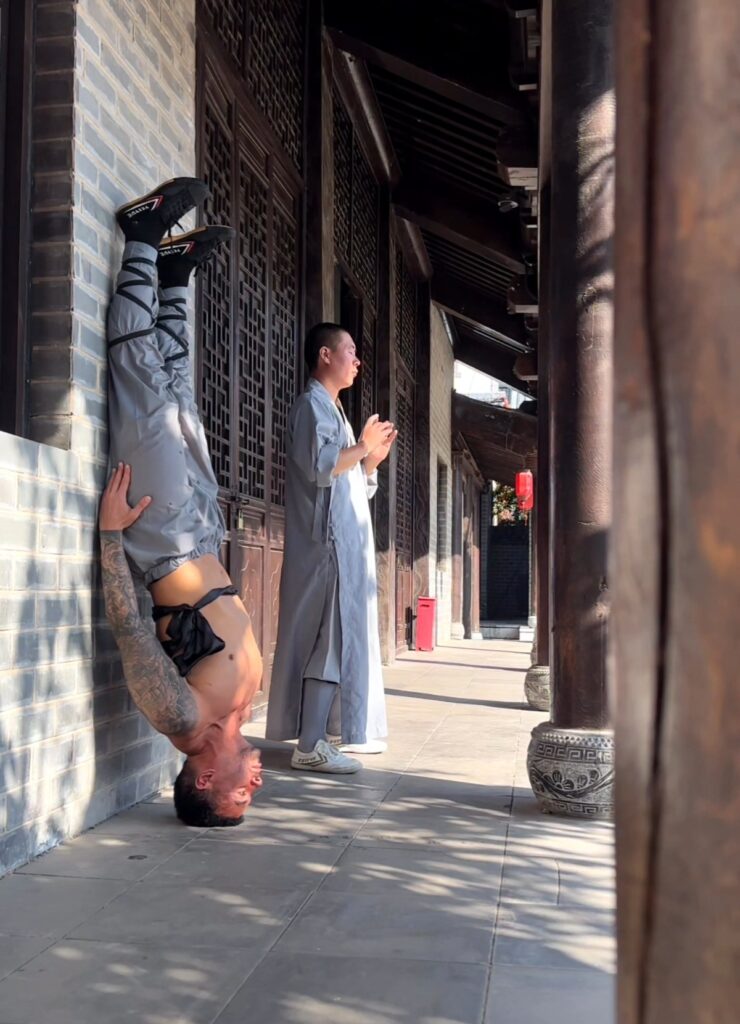
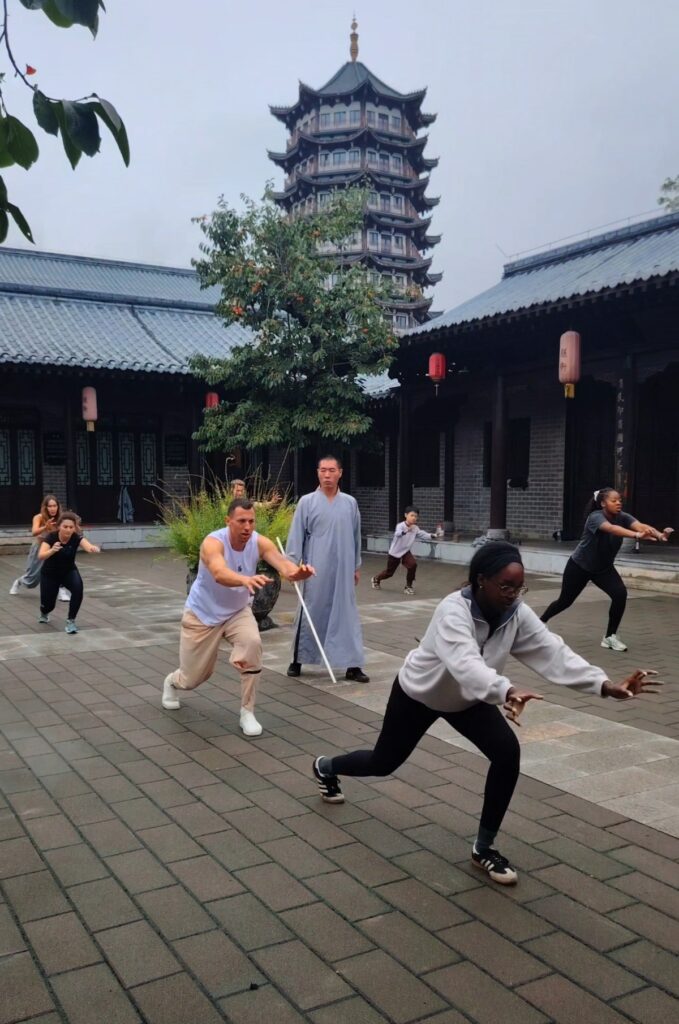
Real Shaolin training is intense, structured, and surprisingly simple. A typical day at an authentic place like Shaolin Temple Center China feels more like a disciplined retreat than a vacation.
Expect this kind of rhythm:
- Early start
- Wake up before most people in the U.S. even hit snooze
- Light warmup or Qigong, sometimes meditation
- Morning: basics and forms
- Long stance work (your legs will burn)
- Kicks, footwork, coordination drills
- Shaolin forms and routines step-by-step, not rushed
- Midday: conditioning and flexibility
- Body conditioning (walls, bags, partner drills)
- Stretching for high kicks and strong stances
- Some schools mix in Shaolin weapons training after you’ve built basics
- Afternoon: Sanda, applications, and Qigong
- Shaolin Sanda fighting or basic sparring drills
- Partner applications from forms
- Qigong for recovery, breathing, and focus
- Evening: review or meditation
- Walking through forms to lock in memory
- Zen meditation Shaolin style—quiet, direct, no fluff
Day to day, real Shaolin training feels like:
- Physically hard – your legs, hips, and lungs will complain
- Mentally grounding – the routine simplifies your life
- Zero glamour – simple rooms, basic food, lots of sweat
- Deeply rewarding – clear progress if you show up and work
If you want a taste of what authentic Shaolin training for foreigners (including women) looks like in practice—daily schedule, forms, Sanda, Qigong, and mindset—take a look at how we structure our programs at Shaolin Temple Center China’s Shaolin Kung Fu training for foreigners.
Real Shaolin isn’t about looking like a movie monk. It’s about showing up every day, training hard, and letting the combination of Shaolin Kung Fu, Qigong, and Chan discipline reshape how you move, think, and live.
Training at Shaolin Temple Center China
Who Shaolin Temple Center China Is For
I built Shaolin Temple Center China for people who actually want to train – not just take photos in a robe. It works well for:
- Beginners who want a safe, structured first taste of real Shaolin Kung Fu training
- Intermediate martial artists (Karate, Taekwondo, MMA, etc.) who want traditional Chinese martial arts roots
- Serious students ready to focus on authentic Shaolin lineage and Chan mindset, not just performance tricks
- Busy professionals from the US who need clear programs, fixed dates, and transparent pricing
If you’re willing to train hard, respect temple culture, and show up consistently, you’ll fit in.
Program Types: Camps, Long Stays, Group Retreats
At Shaolin Temple Center China, I keep the structure simple so you know exactly what you’re signing up for:
- Short Shaolin Kung Fu Camps (1–4 weeks)
- Great if you’re testing if Shaolin is for you
- Focus on basic stances, one or two Shaolin forms, intro Qigong and flexibility
- Good match for US travelers on limited vacation time
- Long Stays (1–12 months+)
- For people who want real progress in Shaolin Kung Fu, Sanda, and internal training
- You follow a clear training roadmap, including classic routines like Shaolin Shi San Quan
- Ideal for career-break travelers, digital nomads, or students between semesters
- Group Retreats & Custom Programs
- Designed for schools, dojos, corporate teams, and wellness groups
- Mix of Kung Fu basics, Shaolin Qigong, meditation, and light hiking around Songshan
If you want a deeper breakdown of how long progress really takes, I suggest reading our guide on how long it takes to learn Shaolin Kung Fu.
What You Actually Train: Shaolin Forms, Qigong, Sanda, Tai Chi, Meditation
You won’t just “copy moves” here. A typical training structure includes:
- Shaolin Kung Fu Forms (Taolu)
- Foundation stances, footwork, kicks, and classic Shaolin forms and routines
- Application drills so you understand how moves work in real self-defense
- Shaolin Qigong Practice
- Breathing, posture, and simple Qigong Shaolin exercises for energy and joint health
- Helps with stress, recovery, and long training days
- Shaolin Sanda (Chinese Kickboxing)
- Basics of striking, footwork, timing, and controlled partner drills
- Focus on practical self‑defense, not just showy techniques
- Tai Chi & Internal Work
- Slow, controlled movement for balance, alignment, and relaxation
- Great for beginners, older students, or anyone with stiff joints
- Zen Meditation Shaolin Style
- Short seated and walking meditation sessions
- Builds focus, discipline, and a calmer mind for both training and daily life
If you want to see how we define real Shaolin Kung Fu training in simple terms, check out our overview of Shaolin Kung Fu training methods.
Living Near Shaolin Temple Henan: Food, Lodging, Daily Life
Life here is simple on purpose. You’re near Shaolin Temple Henan (Shaolin Si) and Songshan Mountain, so the whole lifestyle supports training:
- Lodging
- Shared rooms with basic beds, hot water, and Wi‑Fi
- Clean and practical, no luxury, but comfortable enough for long stays
- Food
- Simple Chinese-style meals: rice, noodles, vegetables, tofu, eggs, some meat
- Light, clean food that supports training and recovery
- Daily Rhythm
- Early wake-up, morning Qigong or meditation, 2–3 training blocks a day
- Quiet evenings to stretch, journal, or rest – not a nightlife scene
- Environment
- You’re close to Shaolin Monastery, Pagoda Forest, and the training culture of Mount Song Shaolin
- It’s easier to stay disciplined when everyone around you is training, resting, or studying
If you want a place where your whole day is built around authentic Shaolin training, not tourist shows, Shaolin Temple Center China does exactly that.
How to Start Shaolin Training as a Beginner
Starting Shaolin training as a beginner is totally doable, even if you’re not super fit yet. What matters most is consistency, attitude, and being honest about where you are right now.
Minimum Fitness & Flexibility You Really Need
For beginner Shaolin Kung Fu training, you don’t need to be an athlete, but you should be able to:
- Walk 30–40 minutes at a steady pace without needing a break
- Hold a basic plank for 20–30 seconds
- Do 10 bodyweight squats with good form
- Sit on the floor with legs straight and reach toward your toes (even if you can’t touch them)
If you’re very stiff, that’s fine. Flexible legs and hips will help a lot, so start simple daily stretching now. A good place to start is following a basic routine similar to a Shaolin leg flexibility and basic skills session like the ones we use in our own training approach at Shaolin Temple Center China: Shaolin leg flexibility and basic skills training.
How to Prepare Physically Before You Come to China
Aim to prepare at least 4–8 weeks before flying out. Keep it simple and steady:
Do this 3–5x per week:
- Cardio (20–30 minutes):
- Brisk walking, light jogging, or cycling
- Stair climbing if you’re short on time
- Strength basics (2–3 rounds):
- 10–15 squats
- 5–10 push-ups (on knees or wall if needed)
- 20–30 seconds plank
- 10 lunges per leg (or step-back lunges if knees are sensitive)
- Flexibility & mobility (10–15 minutes):
- Hamstring stretches (forward bends)
- Hip openers (lunges, butterfly stretch)
- Gentle back and shoulder stretches
Focus on good form, not speed. The goal is to arrive able to handle long training days without your body breaking down in week one.
Mental & Emotional Prep So You Don’t Burn Out
Shaolin Temple Henan and life near Songshan Mountain can be intense for Americans used to comfort and constant stimulation. To avoid burnout:
- Practice discipline now:
- Go to bed and wake up at the same time daily
- Eat on a schedule and cut back on junk food and alcohol
- Get used to boredom and discomfort:
- Spend 10–15 minutes a day sitting quietly with no phone
- Do simple breath counting (inhale 4, exhale 6) to build focus
- Set realistic expectations:
- You won’t become a movie-level “Shaolin master” in a month
- Progress is small, daily, and often uncomfortable
- Decide your “why”:
- Write down why you’re coming (health, mindset, discipline, martial arts)
- Read it when training feels hard or you feel like quitting
Coming in with humility, patience, and a willingness to be corrected is more important than raw talent.
What to Pack for Shaolin Training on Songshan Mountain
Pack light but smart. Think practical, durable, and easy to wash.
Training clothes:
- 3–5 sets of breathable workout clothes (quick-dry if possible)
- 1–2 pairs of loose pants suitable for kicks and stances
- Lightweight training shoes with flat soles (no thick running heels)
Weather & comfort:
- Light jacket or hoodie (mornings and evenings can be cool)
- Warm layer for winter / thin layers for summer
- Simple rain jacket or poncho
Essentials:
- Basic first aid kit (blister care, band-aids, athletic tape)
- Personal medications (enough for your full stay)
- Refillable water bottle
- Small notebook + pen for forms, corrections, and reflection
Nice-to-have but not required:
- Travel towel
- Electrolyte packets (for hot training days)
- Simple massage ball or roller for sore muscles
Leave the heavy fashion and “extras” at home. At Shaolin Temple Center China, life near Shaolin Monastery is simple: train, eat, rest, repeat. Pack with that lifestyle in mind, and you’ll adapt much faster.
Visiting Shaolin Temple Henan as a Traveler
Best time to visit Shaolin Temple Henan and Mount Song
If you’re coming from the US, timing your trip around weather and crowds matters more than you think.
- Best seasons:
- Spring (April–May): Clear views of Songshan Mountain, cool temps, fewer domestic tour groups than summer.
- Fall (September–early November): Dry, comfortable, great for hiking and training; this is my top pick.
- Avoid if you can:
- Chinese public holidays (especially Golden Week in early October) – Shaolin Si and the scenic area get packed.
- Mid-winter (Jan–Feb): Beautiful but cold and icy; fine for short visits, tough for outdoor training if you’re not used to it.
If you’re combining training with travel and have limited vacation time, I’d plan your trip around shoulder seasons and use tools like this vacation-time guide for visiting China and learning Kung Fu to map out your dates.
How long to stay to feel the real Shaolin vibe
Your stay at Shaolin Temple Henan and Mount Song depends on what you want out of it:
- Day trip (too rushed):
- You’ll see the main Shaolin Monastery complex and catch a show, but it’ll feel like a tourist stop, not a Shaolin experience.
- 1–2 days (minimum I recommend):
- Day 1: Main temple, Pagoda Forest, performance show.
- Day 2: Morning walk or light hike on Songshan Mountain, quieter corners, slower pace to actually absorb the place.
- 3–4 days (ideal for most travelers):
- Enough time to wander the temple area, sit in on basic classes, walk a few trails, and get a taste of real Shaolin culture without feeling rushed.
Must-see spots around Shaolin Monastery
If you only have limited time near Shaolin Temple Henan, focus on these:
- Main Shaolin Temple (Shaolin Si):
- Central halls, ancient stele, halls dedicated to the temple’s lineage. Go early morning before tour buses hit.
- Pagoda Forest at Shaolin:
- Stone pagodas where generations of high-ranking monks are buried; this is the heart of Shaolin history and a UNESCO-linked heritage highlight.
- Shaolin Kung Fu performance areas:
- Daily shows by trained Shaolin monks and students. Yes, they’re staged, but they give you a real look at traditional Shaolin Kung Fu forms, weapons, and group routines.
- Trails around Mount Song Shaolin:
- Short hikes behind and around the complex give you quiet views and a better feel for temple life than the main visitor routes.
Basic cultural etiquette around Shaolin monks and locals
Respect goes a long way at Shaolin Temple Henan, especially if you’re hoping for any real connection with monks or local teachers:
- Dress and behavior:
- Wear modest, comfortable clothing (cover shoulders and knees inside temple areas).
- Keep your voice low in halls, courtyards, and Pagoda Forest.
- Around monks:
- Don’t shove a camera in anyone’s face – ask before taking close-up photos.
- If you want to greet a monk, a simple nod or slight bow and “Ni hao” is enough. Don’t force small talk or selfies.
- Inside temple buildings:
- Remove hats and sunglasses.
- Don’t touch statues, altars, or offerings.
- Follow the flow of visitors, especially if people are praying.
- Locals and staff:
- Have cash or mobile payment ready; many local businesses increasingly use Alipay/WeChat, so it’s worth checking a guide to using Alipay and WeChat for foreigners like this one: using Alipay and WeChat in China in 2026.
- Be patient with language barriers; a few basic Chinese phrases plus Google Translate or similar apps will make things smoother.
If you keep it simple: be quiet, be respectful, don’t treat monks like street performers, and give yourself at least one slow morning just walking the Shaolin Monastery grounds, you’ll leave with a much more authentic impression of Shaolin Temple Henan.
Shaolin Qigong and meditation benefits
Shaolin Qigong and Zen meditation look simple from the outside, but the impact on your body and mind is real and measurable.
How Shaolin Qigong improves breathing, posture, and energy
Shaolin Qigong practice trains you to breathe deeper, slower, and more naturally. Over time, that changes how your whole body works:
- Breathing: You learn to use your diaphragm, not just your chest. That means more oxygen in, less tension in your neck and shoulders, and better lung capacity.
- Posture: Qigong drills you to stand tall, relax your joints, and stack your spine correctly. Most students notice less back and neck pain within weeks.
- Energy: Regular Qigong sessions smooth out your energy through the day. Less afternoon crash, better sleep, and a calmer kind of alertness instead of jittery “coffee energy.”
When we train students at Shaolin Temple Center China, we combine Qigong with forms and conditioning so they actually feel how energy cultivation supports real movement, not just theory.
Zen meditation Shaolin style vs relaxation apps
Zen meditation Shaolin style is not about zoning out or “feeling chill” for 10 minutes like most relaxation apps. It’s about:
- Training attention, not just relaxing
- Sitting with discomfort instead of escaping it
- Watching thoughts instead of believing every one of them
Apps usually guide you to feel better for a moment. Shaolin Chan meditation is designed to change how your mind works over time—more focus, less reactivity, more clarity when you make decisions. If you want a deeper explanation of this, I break it down in our guide to Chan meditation and Shaolin practice.
Stress relief, focus, and emotional stability from Chan practice
The real win from consistent Shaolin Qigong and Chan meditation is how it shows up in everyday life:
- Stress relief: Your nervous system learns to downshift faster after conflict, tough workdays, or intense training.
- Focus: It gets easier to stay on one task, study longer, and ignore distractions—huge for work, school, or running a business.
- Emotional stability: You still feel anger, fear, and frustration, but you’re less likely to snap, shut down, or spiral. You respond instead of just reacting.
For students from the US—where life is fast, loud, and always “on”—this combination of Shaolin Qigong, Chan meditation, and Kung Fu training becomes a practical mental toolkit, not just a cultural experience.
Shaolin Kung Fu Health And Fitness Benefits
Shaolin Kung Fu training hits strength, flexibility, endurance, and mindset all at once. It’s one of the few systems that builds real-world athleticism and mental toughness together, which is exactly why I use it as the backbone of our programs at Shaolin Temple Center China.
Strength, Flexibility, Endurance
Shaolin forms, stances, and kicks work your whole body:
- Strength: Low horse stance, jumping kicks, and weapon drills build serious leg, core, and grip strength without needing heavy weights.
- Flexibility: High kicks, deep stretches, and dynamic movements open up hips, hamstrings, and shoulders in a very practical way.
- Endurance: Fast-paced combos and footwork push your heart rate like interval training, improving both cardio and stamina.
You’re not just “working out”; you’re learning skills while getting fit.
Posture, Joints, Overall Conditioning
Done correctly, Shaolin Kung Fu fixes a lot of modern posture problems:
- Posture: Constant focus on straight spine, sunk hips, and relaxed shoulders counters desk and phone hunch.
- Joint health: Controlled kicks, low transitions, and Qigong warm-ups strengthen the knees, ankles, and hips instead of just pounding them.
- Full-body conditioning: You train balance, coordination, reaction speed, and core stability every session—things a lot of gym routines skip.
This is why many people feel lighter, more “aligned,” and more coordinated after just a few weeks.
Shaolin vs Gym Workouts And Fitness Trends
Compared to typical gym routines and fitness trends:
- Gym: Great for isolated strength, but it’s often mindless and repetitive. Shaolin gives strength + mobility + skill + focus in one session.
- Trendy classes (HIIT, bootcamps, etc.): They burn calories, but don’t always build long-term body control or a sustainable practice. Shaolin is built to be practiced for decades, not just a 6-week challenge.
- Mental edge: Shaolin training naturally trains discipline, breathing, and focus—benefits you won’t get from just lifting or running.
If you want to use Kung Fu specifically for fighting, I’d pair traditional forms with focused drills like Shaolin Sanda and applied self-defense, similar to how we structure our Kung Fu for fighting–oriented training.
Bottom line: Shaolin Kung Fu is not just “martial arts cardio.” It’s a complete, old-school system that stands up well against modern fitness trends while giving you real skills and long-term health benefits.
Mindset, Discipline, and Lifestyle Lessons from Shaolin
What Shaolin Discipline Looks Like in Daily Life
Shaolin discipline isn’t about being “hardcore” for a week. It’s about tiny, consistent habits that stack up over time. In real Shaolin monks’ daily life, discipline shows up as:
- Fixed wake-up and sleep times – even when they don’t feel like it.
- Training and meditation on schedule, not “when inspired.”
- Finishing what you start – a form, a stretch routine, a breathing set.
- Respect for space and people – keeping your room simple, clean, and quiet.
At Shaolin Temple Center China, we follow this same structure: set times for training, Qigong, meditation, rest, and food. That rhythm is what builds real Shaolin mindset, not just learning cool Shaolin Kung Fu moves.
How Shaolin Principles Help Work, Study, and Life
Shaolin principles translate surprisingly well to life in the United States—especially if you juggle work, school, and family. A few examples:
- Single-task focus (Chan mindset): When you work, you work. When you rest, you rest. No constant multitasking.
- “Bitter first, sweet later”: Do the hard thing early in the day—big project, workout, tough conversation.
- Non-attachment to results: Train hard, but don’t obsess over quick wins. You’re playing the long game.
- Respect for the body: Better energy, posture, and breathing make you more productive and less stressed.
Students who’ve trained with us and shared their experience in our Shaolin student stories often say the biggest change wasn’t their kicks—it was how they handle stress, decisions, and setbacks back home.
Shaolin-Style Routines You Can Use at Home
You don’t need to live in a monastery to live more “Shaolin.” Start simple and make it realistic for US daily life:
- Morning routine (10–20 minutes):
- 3–5 minutes of standing Qigong or calm breathing
- 5–10 minutes of light stretching / basic Shaolin stances
- 2–5 minutes of sitting in silence (Chan-style observation, no apps)
- Work or study blocks:
- 40–50 minutes deep focus, 10 minutes walk/stretch
- Phone away, one task only – treat it like a form you must complete.
- Evening reset:
- Short body scan or breathing to “close the day”
- Note 1–2 things you did with discipline, not perfection
If you want to go deeper and experience what structured Shaolin living actually feels like, our life at the Shaolin Temple Center China academy gives you a clear picture of the routines, training blocks, and lifestyle that shape real Shaolin discipline.
Common Shaolin Myths and FAQs
Myth 1: Shaolin = Superhuman Powers
A lot of people show up expecting “secret death moves,” wire-fu jumps, or instant enlightenment. That’s movie Shaolin, not real Shaolin.
Real Shaolin Kung Fu training is:
- Hard conditioning, drilling basics thousands of times
- Forms, Qigong, Sanda, and strength work
- Chan (Zen) mindset: focus, patience, and self-control
You won’t learn magic. You’ll build real skills, real discipline, and a stronger body and mind.
Myth 2: Movies vs Real Shaolin Training
Films like Jet Li’s classic “Shaolin Temple” are fun, but they mix stunts, choreography, and special effects with only a slice of reality.
Real training at a place like Shaolin Temple Henan (Shaolin Si) is:
- Repetitive basics, not constant “epic fight scenes”
- Tiring, sweaty, and sometimes frustrating
- Rooted in Chan Buddhism, not just performance
If you want performance-only “kung fu show” skills, there are plenty of commercial schools. If you want authentic Shaolin training, expect slow progress, strict routine, and a lot of humility.
FAQ: Am I Too Old to Start Shaolin?
In most cases, no. I’ve seen beginners in their 30s, 40s, even 50s start Shaolin Kung Fu training from scratch.
What matters more than age:
- Your current health and mobility
- Your willingness to be a beginner and work patiently
- Adjusting intensity and recovery so you don’t break yourself
If you’re older, focus more on Shaolin Qigong, basics, and light Sanda instead of trying to match 18-year-old athletes on day one.
FAQ: Is Shaolin Only for Men?
No. Shaolin is not gender-limited. Women train, fight, and progress just like men.
What you can expect:
- Same core curriculum: basics, forms, Qigong, conditioning
- Adjustments for individual strength, flexibility, and goals
- A culture that respects effort and discipline more than gender
FAQ: Can I Train Shaolin with Injuries?
It depends on the injury and the doctor’s call. Shaolin Kung Fu and Shaolin Qigong can actually support recovery if you’re smart about it.
General rules:
- Get cleared by a medical professional before you come
- Tell your coach about your injuries on day one
- Expect modified stances, lower impact, and more Qigong / stretching
Shaolin isn’t “no pain, no gain.” Real teachers want you training long-term, not getting wrecked in week one.
FAQ: Is It Too Late If I’m a Total Beginner?
Not at all. Many international students arrive at Shaolin Temple Center China with:
- Zero martial arts background
- Average fitness
- Desk-job posture and tight hips
That’s normal. You’re supposed to come to learn. If you want a lighter on-ramp first, short programs like a martial arts summer camp for adults at a Shaolin-focused school can be a smart way to test the waters before committing long-term:
As long as you’re honest about your level and willing to work, starting late is completely okay in the Shaolin world.
Planning Your Shaolin Journey
Short visit, full-time training, or online guidance?
When people in the U.S. say they want to “go to Shaolin,” they usually fall into three groups:
- Short visit (3–5 days):
- Best if you’re already in China or passing through Henan.
- Good for sightseeing at Shaolin Temple Henan, watching shows, light Shaolin Kung Fu training, and getting a taste of Chan (Zen) life.
- Full-time training (2 weeks–6+ months):
- Best if you want real progress in Shaolin Kung Fu, Qigong, and meditation.
- You live near Shaolin Monastery, follow monk-style routines, and train daily.
- This is what I built Shaolin Temple Center China around: structured programs, real Shaolin lineage, clear progression.
- Online guidance:
- Best if you can’t travel yet but want to start building basics, fitness, and discipline at home.
- Great way to prepare so you don’t get wrecked on your first day in China.
If you want to commit to real training and not just watch a show, I generally recommend at least 2–4 weeks on-site.
Budgeting for flights, fees, and daily costs near Shaolin
Your total Shaolin journey cost has three main pieces:
- Flights (US → China):
- West Coast to Beijing/Shanghai: often $800–$1,300 round trip if you book early.
- East Coast can run a bit higher, especially in summer.
- Training + lodging near Shaolin Temple Henan:
- At Shaolin Temple Center China, tuition generally bundles training, housing, and basic meals so you’re not nickel-and-dimed every day.
- Check current program fees and options on the official Shaolin Temple Center China pricing page.
- Local costs:
- SIM card or eSIM, laundry, coffee/tea, snacks, occasional trips to nearby Dengfeng city.
- Most students spend $5–$15/day on extras if they live simply.
Build in a 10–15% buffer for surprises: last-minute train changes, gear you forgot, or a weekend outing.
Safety, visas, and travel tips for Henan and Songshan Mountain
Traveling to Shaolin Si and Mount Song is pretty straightforward if you prep correctly:
- Visa basics (for U.S. travelers):
- You’ll usually need a Chinese tourist (L) visa.
- Apply well before your trip through the Chinese consulate or an approved visa service.
- Make sure your passport is valid for at least 6 months beyond your travel dates.
- Getting there safely:
- Fly to Zhengzhou (Henan’s capital), then take a bus, private car, or train toward Dengfeng and Mount Song Shaolin.
- Only use official taxis or rides arranged by your school or hotel.
- General safety:
- Shaolin Temple Henan and the Dengfeng area are usually safe, especially around the temple and training schools.
- Standard travel rules apply: keep valuables low-key, use hotel safes, don’t flash cash.
- Health and comfort tips:
- Bring any prescription meds from the U.S. with original labels.
- Pack a small first-aid kit: blister care, pain reliever, tape, muscle rub.
- Consider travel insurance that covers medical + trip changes.
Plan your Shaolin journey like a serious project: clear goal, realistic budget, and proper visa and safety prep. That’s how you turn “I want to train at Shaolin” into a real, smooth, on-the-ground experience at Shaolin Temple Henan.